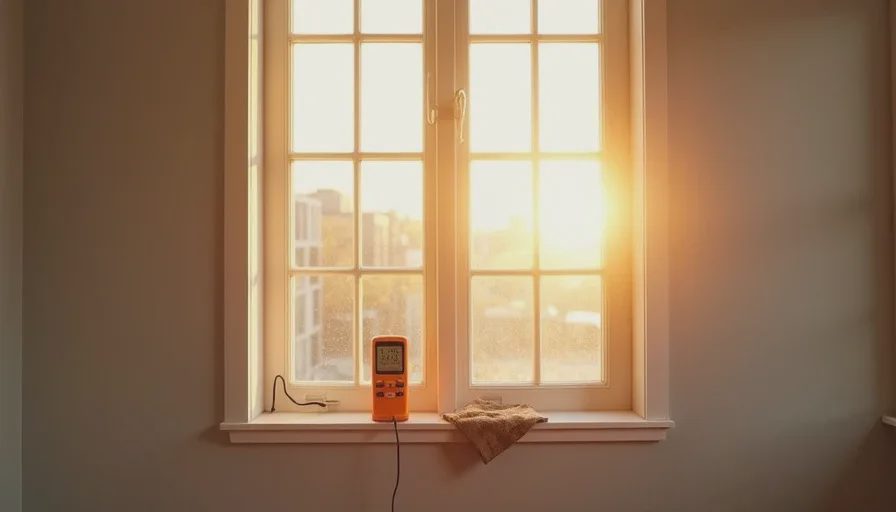
Austin sun is not gentle. Our 1998 house still had a mix of single-pane and basic double-pane windows when we started the renovation. In the rooms that face south and west, the light that came through was strong enough to fade the arm of a sofa in one season and warm the floor enough that Mia would move away from the patch of sun after a few minutes.
I cared about two things: how much ultraviolet radiation reached the interior, and whether that radiation included the wavelengths that damage skin and break down materials. UVB is mostly blocked by ordinary glass. UVA is not. UVA penetrates deeper, contributes to cumulative skin damage, and drives a large share of fabric and wood fading. Because glass stops the burning wavelengths, there is no pain signal to tell you the exposure is happening.
What different glazing actually transmits
I worked with sample pieces and with the existing windows before replacement. Measurements were comparative rather than laboratory absolute, but the ranking was consistent and matched published spectral data.
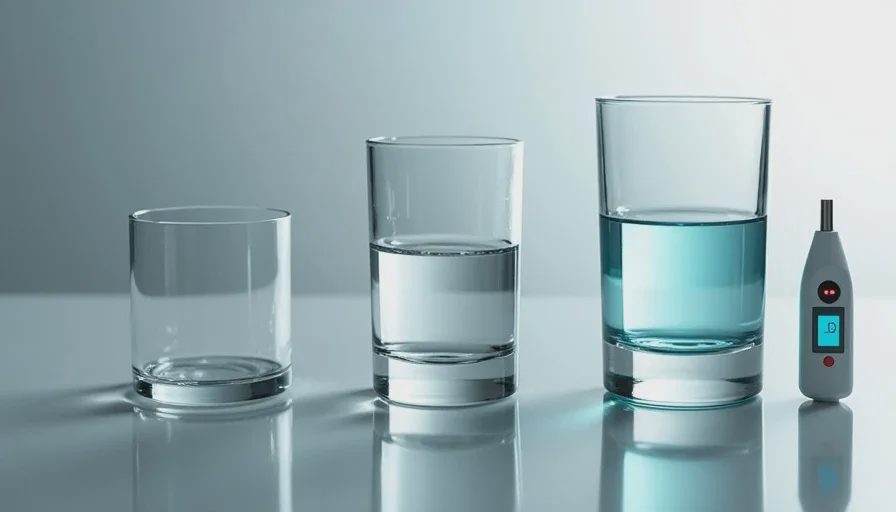
Clear single-pane glass blocks nearly all UVB and still passes a substantial portion of UVA—commonly in the 45–75 percent range depending on thickness and iron content. Standing near those windows for extended periods delivered real UVA dose.
Basic double-pane clear glass improved the numbers only modestly. The extra pane and air space help with heat, but clear glass remains relatively transparent to UVA.
Low-E coatings change the picture. A single-silver Low-E insulating unit typically cuts total UV transmission into the 30 percent range. Double-silver coatings drop it further, often below 15 percent. Triple-silver coatings can reach single-digit percentages. The exact performance depends on the specific coating and the full glass package, but the direction is clear: more silver layers generally mean more UV rejection along with better solar-heat control.
Laminated glass with a UV-absorbing interlayer is the strongest residential option I tested. Standard PVB interlayers formulated for UV screening block virtually all radiation below about 380 nm. Transmission of both UVA and UVB falls to a few percent or less. This is the same technology used in windshields and in museum-grade protective glazing. The visible light still comes through; the damaging shorter wavelengths do not.
Window films applied to existing glass can also reach 99 percent UV rejection when they are properly specified. Performance varies by product, and long-term durability and visual clarity differ, but the better films close most of the gap without full window replacement.
Why this matters for a child
Mia spends time on the floor near windows. She looks out. She plays in the patches of sun. Because the glass removes the UVB that would cause immediate sunburn, it is easy to assume the light is harmless. It is not. UVA still reaches the skin. The dose is lower than direct outdoor exposure, but it is cumulative and occurs without the usual warning signs.
I am not claiming that sitting near a clear-glass window is equivalent to a day at the pool. I am saying the exposure is real and avoidable. In a climate with strong year-round sun, the difference between a clear double-pane unit and a laminated or high-performance Low-E unit is large enough to matter over years of daily exposure.
The same radiation that reaches skin also reaches the sofa, the rug, the wood floors, and any artwork on the walls. Fade rates drop measurably when UV transmission is cut from 50–70 percent down to single digits. In a house undergoing a full renovation, protecting the new finishes from the start is simply rational.
What we specified and why
For the rooms where Mia plays and sleeps, and for the main living areas with large glass exposure, we prioritized packages that combine Low-E coatings with laminated glass where the budget and the opening allowed. The laminated interlayer gives the highest UV cut. The Low-E coating adds thermal performance and additional UV reduction. Together they address both skin exposure and material longevity while still delivering good visible light and reasonable solar-heat control for Austin summers.
Where full laminated units were not practical, we used the highest-UV-rejection Low-E coatings available in the line and considered film as a secondary option on any remaining clear glass. We also paid attention to orientation. South and west openings received the stricter specification. North-facing glass could accept a slightly less aggressive package without the same risk.
I still keep simple fabric fade cards in a few window locations as a long-term check. The difference between the old clear glass and the new packages is already visible after one season.
Practical takeaways
If you are replacing windows, ask for the UV transmittance number or the spectral data, not just the U-factor and SHGC. Many manufacturers can provide it. Look for laminated options with UV-absorbing interlayers when skin exposure and fade protection are priorities. High-performance Low-E coatings (especially multi-silver) are the next best built-in solution.
If replacement is not immediate, quality UV-blocking film on existing glass is a measurable upgrade. Choose products with documented 99 percent UV rejection and verify the visual clarity and warranty.
Do not assume that “energy-efficient” automatically means “UV-protective.” Some Low-E coatings are optimized primarily for heat and still pass more UVA than a laminated unit. The two performance goals overlap but are not identical.
In a house with a young child and strong sun, the glass is part of the safety and durability system, not just a view and a thermal barrier. The wavelengths that fade the sofa are the same wavelengths that reach skin. Choosing glazing that blocks them is one of the quieter decisions that pays off every sunny afternoon for years.
No comments yet — be the first to share a thought.