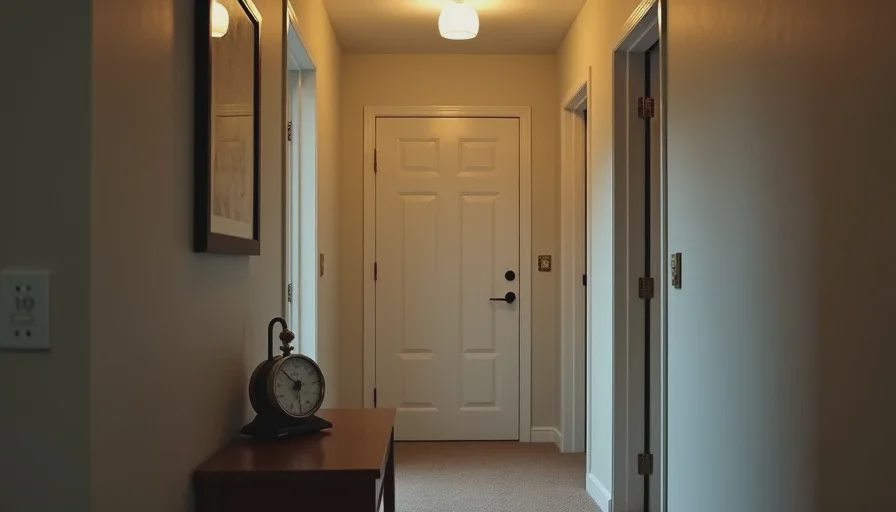
Mia’s bedroom sits at the end of a short hallway. When the door is a standard hollow-core slab, every sound travels. A dropped toy, a sudden laugh, the white-noise machine, or a full protest at bedtime reaches the living room and the kitchen without much effort. We needed the opposite: enough reduction that a nap or early bedtime could survive normal household movement on the other side of the door.
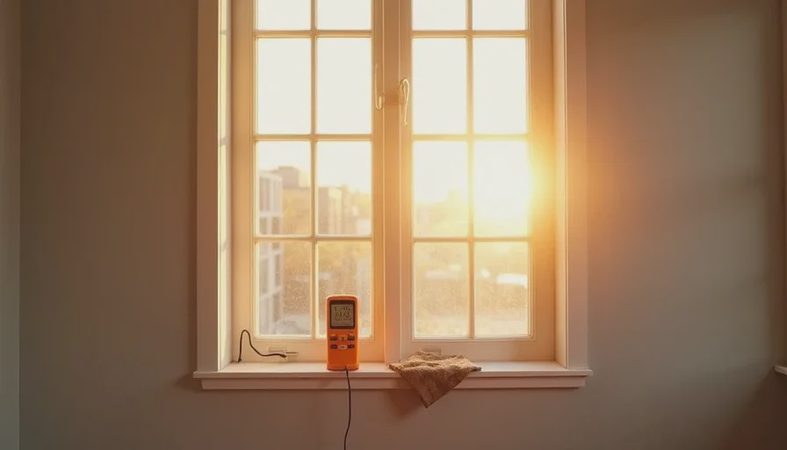
I tested the existing hollow-core door, a solid-core replacement, and the same solid-core door after adding a proper sweep and perimeter seals. Measurements were taken with a decibel meter at a fixed hallway position while the same sound sources played inside the room: recorded toddler chatter, a white-noise machine at typical sleep volume, and occasional real-time noise when Mia was awake. The goal was not studio silence. It was a practical drop that lets the rest of the house function without constantly waking a sleeping child.
What the numbers showed
Hollow-core doors are light for a reason. The cardboard honeycomb or sparse interior provides almost no mass. Typical STC ratings land in the low-to-mid 20s. In our hallway that translated to very little reduction. Normal speech and play noise inside the room remained clearly intelligible in the hall. The white-noise machine was still obvious. Closing the door felt more like a visual barrier than an acoustic one.
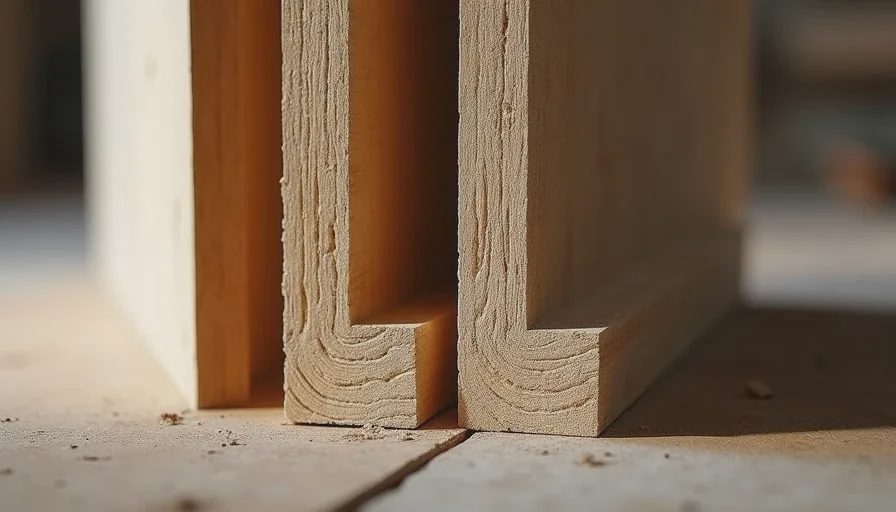
Solid-core doors add mass. Particleboard, MDF, or engineered cores push typical STC ratings into the low-to-mid 30s. The difference was immediately audible. Speech became muffled rather than clear. The sharp edges of toy noise softened. The white-noise machine dropped to a low background presence instead of a distinct source. It was not soundproofing. It was useful privacy and a meaningful reduction in the peaks that wake light sleepers.
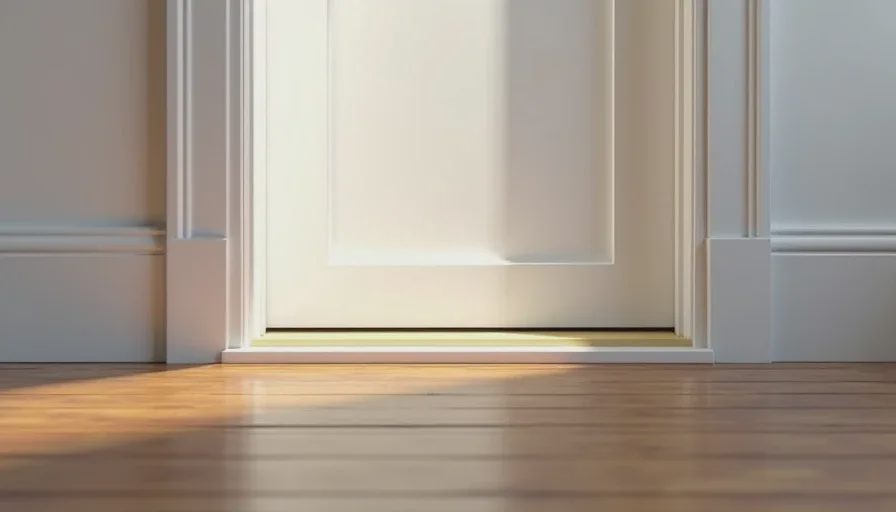
The largest single improvement after switching to solid core came from sealing the gaps. An undercut of even half an inch is a highway for sound. A quality door sweep that actually contacts the floor or threshold closed that path. Perimeter weatherstripping or acoustic seals around the jamb reduced the side and top leaks. With the solid-core slab plus seals, the hallway reading dropped further. Conversations in the living room became much less likely to travel the other direction and disturb a nap.
Why mass alone is not enough
Sound follows the weakest path. A heavy door in a loose frame with a large bottom gap still leaks. I have seen solid-core doors underperform because the installer left a generous undercut for flooring clearance and never added a sweep. The slab rating looks good on paper; the installed assembly does not deliver it.
Flanking paths matter too. Sound can travel through the wall cavity, the electrical boxes, or the gap between the door frame and the rough opening if those are not addressed. In a 1998 house the walls themselves are not high-STC assemblies. Improving the door still helps, but it will not turn a standard interior partition into a recording studio.
Practical upgrades that worked here
We replaced the bedroom door with a solid-core slab that matched the existing style so the visual change was minimal. Weight increased noticeably—expect to check the hinges and possibly upgrade them. The door closes with a more substantial feel, which itself signals better mass.
We added a surface-mounted or mortised sweep that seals against the floor or a simple threshold. Adjustable sweeps help when the floor is not perfectly level. Perimeter seals went into the stop of the jamb. The combination cost far less than an acoustic-rated door assembly and delivered most of the real-world benefit we needed.
I also paid attention to the latch side. A tight latch that pulls the door firmly against the stops reduces the side gap. Soft-close or standard hinges both work; the important part is that the door sits square and closes fully.
What I would not bother with
Hollow-core doors with “sound-reducing” claims or added foam inserts rarely move the needle enough to justify the effort. Mass is the primary lever for interior doors. Lightweight solutions mostly rearrange the problem.
Sliding barn doors and pocket doors are even harder to seal. The large perimeter gaps and lack of compression against a stop make them poor choices when sound control is the priority. They can look good; they do not block sound well.
Full acoustic doors with specialized cores, heavy frames, and multi-point seals exist and can reach STC 40 or higher. For a typical residential bedroom the cost and the visual bulk are usually more than the situation requires. A good solid-core door with attention to the gaps solves the practical problem for most families.
Living with the result
After the solid-core door and seals went in, hallway traffic and normal evening noise stopped being automatic nap disruptors. We can talk at a normal volume in the living room without the sound carrying clearly into the bedroom. Mia’s own noise is less broadcast through the house. The improvement is not dramatic in the way a fully isolated room would be, but it is consistent and useful every single day.
Cost-per-year favors the upgrade. A solid-core slab and basic seals last as long as the door itself. The reduction in interrupted sleep and the ability to keep normal household activity running during quiet times more than cover the material cost.
If you are standing in a hallway outside a child’s room and can clearly understand every word being said inside, the door is the first place to look. Mass plus seals will not create silence, but they will turn clear speech into muffled sound and take the edge off the peaks. That is often the difference between a successful nap and a short one. Measure the before and after with a simple meter if you want the numbers. Your ears will tell you the rest.

No comments yet — be the first to share a thought.