When someone searches for two pages curtains, they usually mean a pair of curtain panels for one window, not two literal pages of fabric. The wording is odd, but the shopping problem is familiar: you need coverage, privacy, and something that will survive a child pulling the hem while you are carrying laundry. I tested panel construction, lining, hardware fit, and cleaning practicality in my 1998 Austin house, with Mia providing the most aggressive hands-on inspection.
The short answer is simple. Buy two properly sized panels, measure the rod before ordering, and skip thin decorative fabric pretending to be a room-darkening curtain. A good pair should hang evenly, move without snagging, and tolerate a washing machine or careful spot cleaning. The pretty photograph on a product page is the least useful part of the listing. Strip the filter. Look at what is underneath.
What two pages curtains actually means
In home retail, a window treatment described as two pages curtains is generally a two-panel set. Each panel covers one side of the window, so the pair opens from the center and stacks toward the left and right edges. Some listings sell one panel only, which is where many buyers get burned. A package showing a wide window may still contain a single 50-inch panel.
Read the quantity line before studying the color options. Look for wording such as “set of two,” “2 panels,” or “pair.” If the listing says “price per panel,” you need two packages. A $35 panel can quietly become a $70 treatment, while a $90 set may already include both sides. This is also why product photographs are unreliable: retailers often style one panel on each side even when the package contains only one.
For a standard bedroom window, two 50-inch-wide panels are a sensible starting point. Wider windows need more fabric, especially if you want full folds rather than a flat, stretched appearance. I prefer a finished fabric width about 1.5 to 2 times the rod width for ordinary fullness. Sheer panels often look better closer to 2.5 times the width because their thin fabric needs extra gathering to avoid looking skimpy.
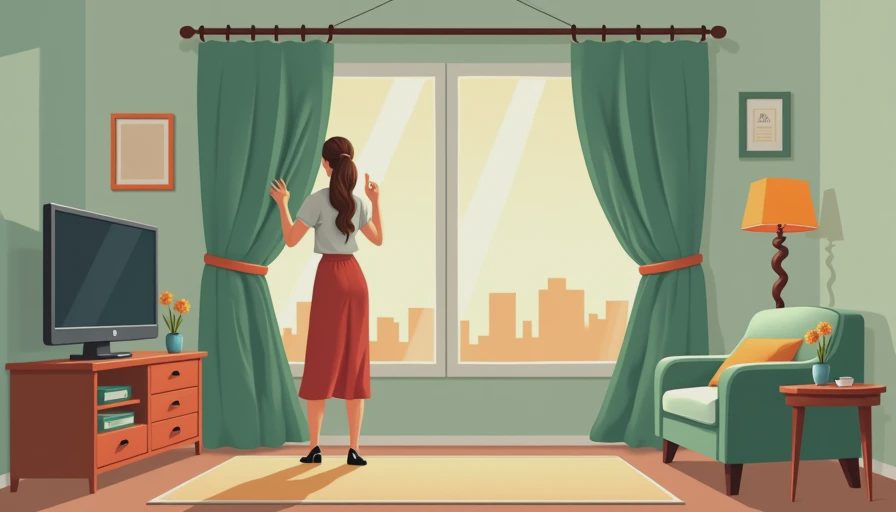
Measure before buying two pages curtains
Measure the curtain rod, not just the glass. If your rod spans 72 inches, a pair totaling 100 inches of fabric gives you modest fullness. A pair totaling 144 inches creates deeper folds and better visual coverage. Do not count the decorative finials unless the curtains must cover that entire area.
For length, measure from the actual hanging point to where you want the hem to end. Curtains that stop several inches above the floor can make a room look unfinished unless they are intentionally mounted over a radiator or baseboard. In most living rooms, panels should hover about half an inch above the floor or barely kiss it. A puddled hem looks romantic in a staged room but becomes a dust mop when Mia drags a toy truck through it.
Check the hanging method as well. Rod-pocket panels are inexpensive but annoying to open and close because the fabric bunches around the rod. Grommets slide more easily and usually suit a frequently used bedroom or patio door. Back tabs create a cleaner front view, but the tabs can catch on an oversized rod. For daily use, I usually choose sturdy grommets or a separate ring-and-clip system.
Fabric, lining, and the toddler test
The fiber label tells you more than the marketing name. Polyester is affordable, colorfast, and usually easier to wash than linen. Cotton feels natural but can shrink, wrinkle, and fade in strong sun. Linen blends give a relaxed texture while reducing some of the maintenance problems of pure linen. A blackout coating can improve sleep conditions, but inspect the back for flaking, strong chemical odor, or a stiff plastic feel.
With two pages curtains, I look for a hem at least two inches deep and seams that lie flat without loose threads. A heavy blackout panel should have reinforced top stitching because children pull downward rather than gently opening a panel. Mia has tested this distinction repeatedly. She touches fabric, hides behind it, and occasionally uses the lower edge as a balance point. A flimsy one-inch hem does not inspire confidence.
Ventilation matters during the first few days. Unpack new curtains outdoors or in a well-ventilated room, then wash them if the care label permits. A noticeable odor should fade rather than intensify. Do not place long, loose cords within a child's reach. Cordless shades are the safer choice for raising and lowering a window covering, while curtains themselves should stay away from heaters, candles, and active cooking areas.
Comparing price without falling for the label
A basic polyester pair can cost around $25 to $50. Better-lined panels commonly land between $60 and $140 per pair, while custom sizes, quality linen blends, and premium blackout construction can push the price beyond $200. The expensive option is not automatically better. I have handled $180 panels with crooked hems and $45 panels with surprisingly clean seams.
Examine the specifications for fabric weight, dimensions, lining, top style, and care instructions. “Luxury” and “designer-inspired” are not measurements. If the seller provides no finished width, no fiber content, and no panel quantity, I would not spend more than budget-store money on the order. Return shipping can erase a bargain quickly when two large packages arrive in the wrong size.
For a rental or first home, a washable polyester pair often delivers the best cost-per-year result. A $75 set used for five years costs about $15 per year before cleaning. Replacing a $30 set every year because it fades, snags, or shrinks is not frugal. Stop staring at the price tag. Divide it by the years you will use it.
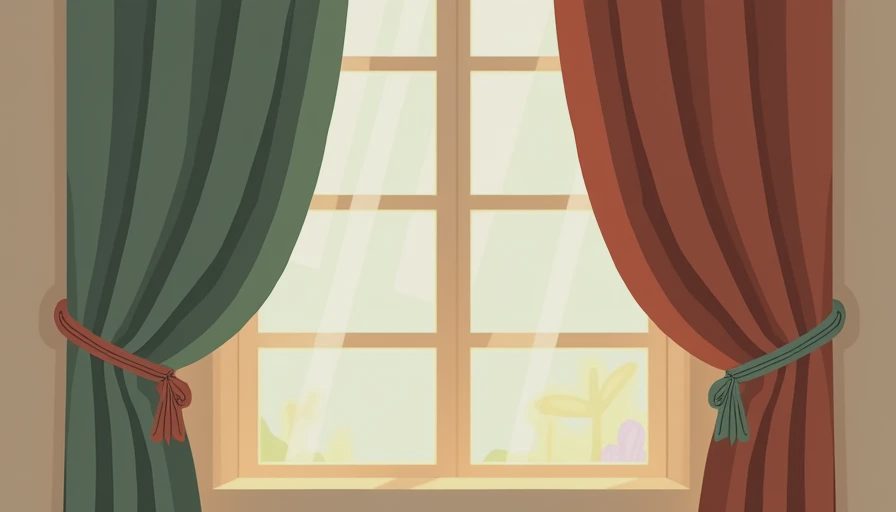
Installation details that prevent daily irritation
Use a rod that extends beyond the window frame so the panels can move aside without blocking glass. A center support is important for rods spanning more than about 60 inches, particularly with lined fabric. Anchors must match the wall material; drywall anchors are not interchangeable with masonry fasteners. If the rod feels loose when you tug it lightly, it will not improve after a week of opening and closing.
Steam or iron panels before hanging, following the care label and keeping heat away from coated blackout backs. Hang both panels together so you can compare the hems. If one side is visibly longer, do not hide the problem with uneven stacking. Exchange the set or ask a tailor to correct it. A small alteration can cost $15 to $30 and is often worthwhile for custom-length rooms.
For two pages curtains in a nursery, choose a washable fabric, secure the rod firmly, and keep the bottom edge away from cribs and climbing furniture. In a family room, prioritize smooth movement and a durable hem over a delicate weave. My final Mia test is blunt: if a child can easily yank the panel down, chew a loose thread, or wrap a cord around an arm, the installation is not finished.
My practical buying checklist
Before ordering, confirm that the package contains two panels, calculate the total fabric width, and measure from rod to floor. Check the fiber content, lining, top construction, hem depth, and cleaning method. Read customer photos for crooked seams and color differences instead of trusting the staged image. Confirm the return window, especially for custom lengths.
Then look at the room itself. A sunny south-facing window benefits from a lined or blackout option, while a shaded office may need only a lightweight polyester weave. A high-traffic doorway needs easy movement and washable fabric. A formal dining room can handle a more delicate texture if nobody is constantly brushing past it.
The best two pages curtains are not necessarily the trendiest pair. They are the panels that fit the rod, cover the window, wash without drama, and stay secure when a small person tests them. Measure twice, verify the quantity, and inspect the construction before you pay for the marketing story.
No comments yet — be the first to share a thought.