Interior decorating techniques are often presented as a collection of pretty tricks: layer a rug, add a plant, hang art at eye level, and call the room finished. I approach them differently. Before asking whether a room photographs well, I ask whether Mia can tip the table, smear yogurt into the upholstery, or run headfirst into a sharp corner. A durable room needs a plan for daily abuse, not just a matching color palette.
I spent years reading furniture specifications and factory quality reports, and I still start with the least glamorous details. What is the seating frame made from? Does the rug backing slide? Can the finish handle a damp cloth? These questions determine whether a design decision stays useful after three months. Strip the filter. Look at what is underneath.
Start With the Room’s Hardest Job
The first of the most useful interior decorating techniques is identifying what a room must tolerate. A living room for adults who entertain twice a year has different requirements from a living room where a toddler builds block towers, a dog shakes muddy water, and someone eats dinner on the sofa.
Write down the room’s real activities before buying anything. If the coffee table is also a craft station, choose a surface that does not panic over markers and glue. If the entryway absorbs wet shoes, skip a delicate flat-weave rug with a pale border. If the bedroom is where you fold laundry, plan storage and open floor space instead of filling every wall with decorative furniture.
This approach also prevents expensive mismatches. A boucle chair can look inviting, but its loops are excellent at catching crumbs, pet claws, and tiny fingers. A glass coffee table can visually disappear, yet it creates a hard, sharp obstacle at toddler head height. Good interior decorating techniques begin with the people and messes already in the house.
Use Color as a Practical Tool
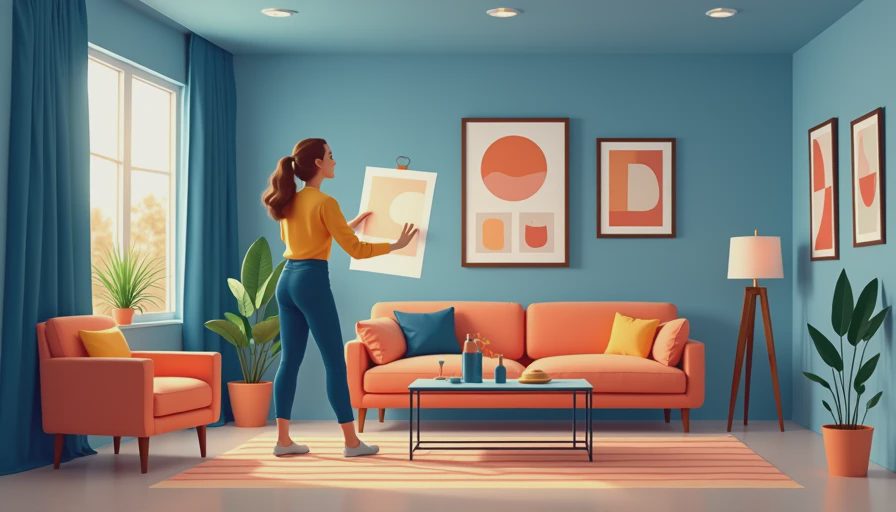
Color is not only decoration. It changes how often a room looks dirty, how large it feels, and whether separate areas appear connected. In my 1998 Austin house, I prefer a restrained base color with stronger tones introduced through washable textiles, artwork, and smaller pieces. That gives me room to change the mood without repainting every wall.
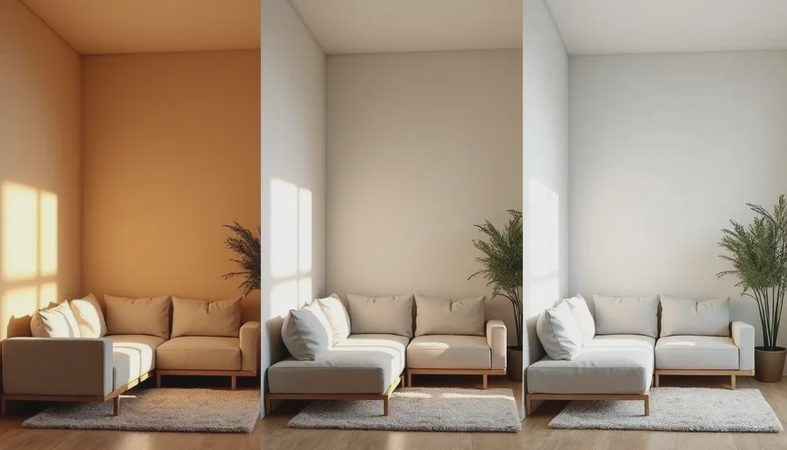
For busy spaces, examine samples in morning light, afternoon sun, and artificial light after dark. A warm white can turn yellow beside incandescent bulbs, while a cool gray may look flat near a north-facing window. Paint a large sample board rather than relying on a two-inch card. Put it beside the trim, flooring, and largest upholstered item.
One of the more reliable interior decorating techniques is repeating a color at least three times, but not always in the same intensity. A muted green might appear in a cushion, a leafy print, and a ceramic lamp base. The repetition creates order without making the room feel like a showroom. For walls, choose a finish that can be cleaned without leaving a shiny patch. Matte paints hide surface irregularities, while washable eggshell or satin finishes are often more forgiving in hallways and kitchens.
Plan Furniture Around Movement
Furniture placement should leave clear paths first and create a conversation area second. Measure the room, then mark the intended footprint with painter’s tape. Walk through it while carrying a laundry basket. Open cabinet doors. Pull out dining chairs. This catches problems that a floor plan misses.
I like to keep major walking routes free of low objects. A narrow console with a heavy, stable base can work in an entry, but a lightweight table that slides when bumped is a bad choice beside a staircase. Anchor tall bookcases and dressers to the wall, especially when children can climb drawers. A beautiful unsecured cabinet is still a fall hazard.
Scale matters as much as clearance. A large sectional may technically fit, but it can make a modest room feel blocked and leave nowhere for a reading chair. Conversely, several tiny tables can create visual clutter and more corners to bump into. Measure the sofa depth, not just its width, and check whether the seat height works for the people using it. Design should support the body, not merely fill the plan.
Choose Materials by Maintenance
Marketing labels such as performance fabric, stain resistant, and family friendly are starting points, not proof. Ask what the fiber content is, whether the cushion covers can be removed, and what cleaning method the manufacturer permits. Test a hidden area with the cleaner you actually use before a spill happens.
For flooring, look at wear layers, finish type, seam behavior, and the transition between rooms. A beautiful wood-look product can still fail if its edges swell after repeated wet mopping. For rugs, check the backing and use a properly sized pad. A pad adds comfort, reduces sliding, and can prevent a rug from becoming a curled-edge trip hazard.
These interior decorating techniques save money because they replace impulse buying with a maintenance forecast. A $3,000 sofa used for fifteen years costs about $200 per year. An $800 sofa that sags after three years costs more than $266 per year before you count delivery, disposal, and replacement stress. Stop staring at the price tag. Divide it by the years you will use it.

Layer Lighting With a Safety Check
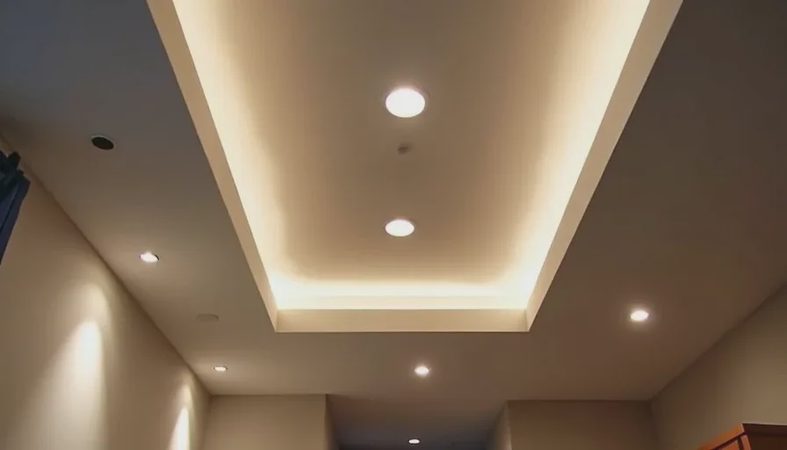
A single ceiling fixture makes a room functional, but layered lighting makes it comfortable. Combine general light, task light, and softer accent light so nobody has to work, read, or cook in a shadowy corner. Use a floor lamp only where its base will not narrow a walkway, and keep cords secured along the wall rather than crossing an active path.
Check bulb specifications instead of choosing solely by appearance. Color temperature affects the feeling of a room, while brightness determines whether a kitchen counter is actually usable. In bedrooms, dimmable fixtures can support a calmer evening routine. In play areas, avoid fragile lamps placed on unstable surfaces. Mia does not care that the ceramic base was handmade; if she can reach it, she will investigate it.
Window treatments deserve the same attention. Cordless shades reduce a hanging-cord hazard, and properly mounted hardware prevents a curtain rod from pulling loose. Blackout fabric can help a child’s room sleep better, but inspect the stitching, lining, and mounting points rather than assuming the label tells the whole story.
Add Personality Without Creating Clutter
A durable room does not need to be boring. Bring personality through art, books, vintage pieces, and textiles that can be moved or replaced. I like one strong focal point more than twelve small objects competing for attention. A large framed print, an interesting light fixture, or a well-made wood cabinet gives the eye somewhere to land.
Before adding accessories, leave the room empty for a day if possible. Notice where bags collect, where sunlight falls, and which surface becomes a dumping zone. Then give those habits a designed solution: a tray for keys, a closed basket for toys, or hooks at a height the household will actually use. The best interior decorating techniques cooperate with behavior instead of pretending behavior will change.
A Room-by-Room Final Check
Before calling a project complete, walk through the room at child height and adult height. Look for sharp corners, unstable furniture, loose cords, slippery rugs, blocked vents, and surfaces that cannot tolerate ordinary cleaning. Sit in every chair. Open every drawer. Turn on the lights at night. Touch the materials after cleaning and look for streaks, snags, or finish changes.
Then photograph the room from the doorway and from the main seating position. A photo exposes crowded furniture and awkward visual weight faster than standing inside the space. If something looks wrong, solve the functional problem before buying another decorative object.
That is the difference between decoration that performs for one afternoon and interior decorating techniques that keep working through spilled juice, rushed mornings, and furniture rearrangements. Make the room attractive, but make it honest first. What Mia would do to it is not an afterthought; it is part of the design test.

No comments yet — be the first to share a thought.