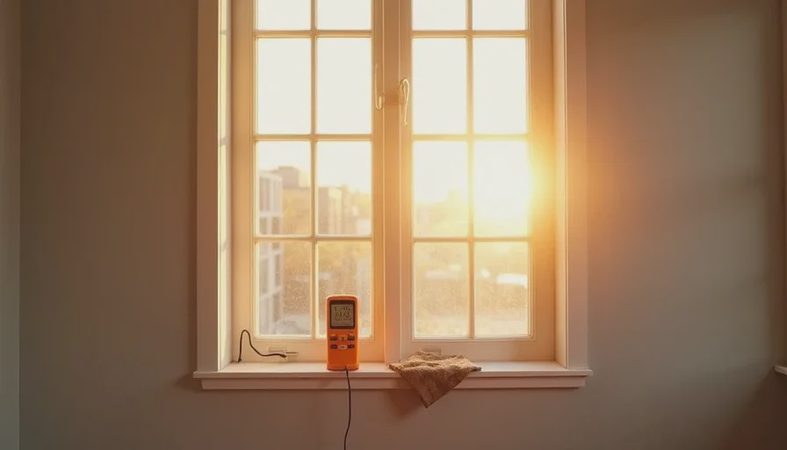
Warm light is one of those home-design terms that sounds simple until you stand in the lighting aisle with twelve nearly identical bulbs in your cart. In my 1998 Austin house, I test it with a spectrometer, a light meter, and the Mia question: would my daughter lick the bulb, touch the fixture, or run into the corner? The answer depends on more than a golden-looking glass globe. Color temperature, color rendering, glare, heat, dimming behavior, and placement all decide whether a room feels comfortable or strangely orange.
I lived with each lighting setup for three months before writing this guide. That matters because a bulb can look beautiful for ten minutes and become irritating during homework, meal cleanup, or a 2 a.m. toddler wake-up. Strip the filter. Look at what is underneath.
What warm light actually means
On a bulb package, warm light usually describes a lower color temperature, commonly around 2,700K to 3,000K. Kelvin numbers run backward from what many shoppers expect: a lower number looks more yellow or amber, while a higher number looks whiter or bluer. A 2,700K LED generally feels similar to a traditional incandescent bulb. A 3,000K bulb is still warm, but cleaner and less amber.
That range is not a quality rating. It only describes the appearance of the light. Two 2,700K bulbs can look noticeably different because one has better color rendering, a wider beam, or a green tint hidden inside its inexpensive phosphor coating. When I compare bulbs, I place them side by side on the same wall and photograph a white card, a wood sample, and a red toy. If the white card looks beige or the red toy turns dull, the marketing label is not telling the whole story.
The most comfortable warm light in my testing came from bulbs with a color rendering index, or CRI, of at least 90. That number indicates how accurately a source reveals colors compared with a reference source. It is not perfect, but it is useful. A CRI 80 bulb can be perfectly serviceable in a hallway; a CRI 90 or higher bulb is more convincing in a kitchen, bathroom, or room where you choose clothing.
Where warm light works best
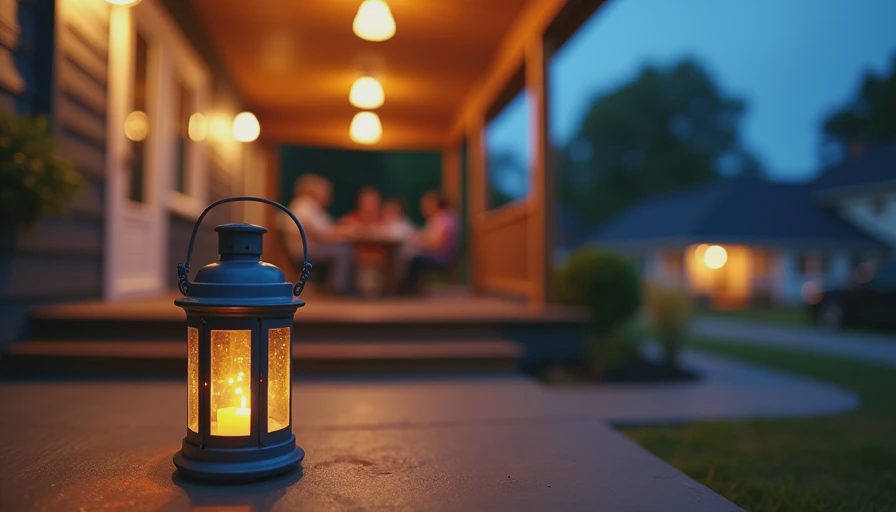
Living rooms are the easiest win. A 2,700K floor lamp beside a sofa creates a calm evening pool without making the entire ceiling look yellow. I like one lamp near eye level and another lower source near a reading chair. That layered arrangement feels more natural than installing a single bright fixture in the center of the room.
Bedrooms also benefit from warm light, especially in table lamps and wall sconces. For a child’s room, I prefer a dimmable LED at roughly 2,200K to 2,700K for bedtime, with enough output for changing sheets or finding a lost stuffed animal. Avoid placing an exposed bulb where small hands can reach it. A shade is not just decoration; it reduces glare and creates a physical barrier.
Dining rooms can handle slightly brighter warm light, usually 2,700K to 3,000K. Choose a fixture with a diffuser if the bulbs sit directly above eye level. Mia immediately notices bare points of light and tries to stare at them, which is exactly the behavior I do not want over dinner. Warm light is pleasant, but it should never require squinting.
Kitchens are more complicated. Under-cabinet lighting at 3,000K often shows food and countertop colors more accurately than very amber bulbs. I use warm light for pendants and decorative fixtures, then choose a neutral-warm task source where knives, produce, and spills need to be visible. One temperature throughout the house is not a rule; the task controls the specification.
The safety and comfort checks I do first
Before I discuss style, I check heat and access. Quality LEDs run cooler than incandescent bulbs, but the base and enclosed fixtures can still become hot. The package should state whether the bulb is suitable for enclosed fixtures. Ignoring that line can shorten its life and create an unnecessary heat problem.
Next, I check flicker and dimming. A bulb that visibly pulses through a phone camera is not automatically dangerous, but it is a reason to investigate. Flicker can become tiring, especially in a room where someone reads, works, or spends several hours each evening. I test the bulb at full brightness, half brightness, and its lowest setting. If it drops out, buzzes, or jumps suddenly from bright to dim, it fails my comfort test.
The fixture itself matters just as much. Heavy glass shades need properly anchored mounting hardware, and dangling cords belong far away from climbing furniture. I keep lamps behind stable furniture only when they cannot be pulled forward, and I route cords along the back edge rather than across a walking path. The moment I think about Mia touching it, licking it, or running into it, I cannot write with my eyes closed.

How much should you spend?
A basic LED bulb can cost about $2 to $5, while a premium dimmable bulb from brands such as Philips, Feit Electric, or GE Lighting may cost $6 to $15. Smart bulbs often run $10 to $35 each. The expensive option is not automatically better. I have tested budget bulbs that produced clean, comfortable light and premium-looking bulbs that buzzed in an older dimmer.
Spend more when you need reliable dimming, high CRI, a specific shape, or smart-home compatibility. Spend less in a utility closet, garage, or temporary rental. A $12 bulb used every night for five years costs only a few dollars per year before electricity, so I would rather pay for a stable driver than replace a cheap bulb every few months.
Check energy use as well. LEDs commonly use far less electricity than incandescent bulbs for comparable brightness, and the wattage printed on the box is not the same as brightness. Look for lumens. A 60-watt-equivalent LED may use only 8 to 10 watts while producing similar output.
My practical buying checklist
Start by recording the socket type, maximum fixture wattage, bulb shape, and whether the fixture is enclosed. Then choose the brightness in lumens. For a bedside lamp, 450 to 800 lumens is often enough; a kitchen task light may need more, depending on the fixture and room size.
After that, choose warm light based on the task. Try 2,200K to 2,700K for relaxing spaces, 2,700K to 3,000K for most living areas, and around 3,000K for detailed work that still needs to feel inviting. Select CRI 90 or higher when color accuracy matters, especially in bathrooms, kitchens, and nurseries.
Finally, buy one bulb before buying ten. Install it in the actual fixture at the actual time of day. Look at skin, painted walls, flooring, and food. Leave it on during dinner, reading, and cleanup. A returnable single bulb is cheaper than a box of replacements.
The bottom line from my house
Warm light works when it supports how your family uses a room, not when a product page promises a cozy aesthetic. The best setup in my home combines lower-temperature bulbs for evening comfort, higher CRI for honest color, diffusers for glare control, and secure fixtures that survive toddler curiosity.
I would not select every bulb at 2,700K, and I would not trust a package that skips CRI, dimming, or enclosed-fixture information. Test one, observe it for several evenings, and then scale the choice across the room. That small experiment prevents the most common lighting mistake: spending hundreds on beautiful fixtures and discovering that the bulbs make everyone look tired. What Mia would do to it? She would reach for the cord first, so I secure the fixture before admiring the glow.

No comments yet — be the first to share a thought.