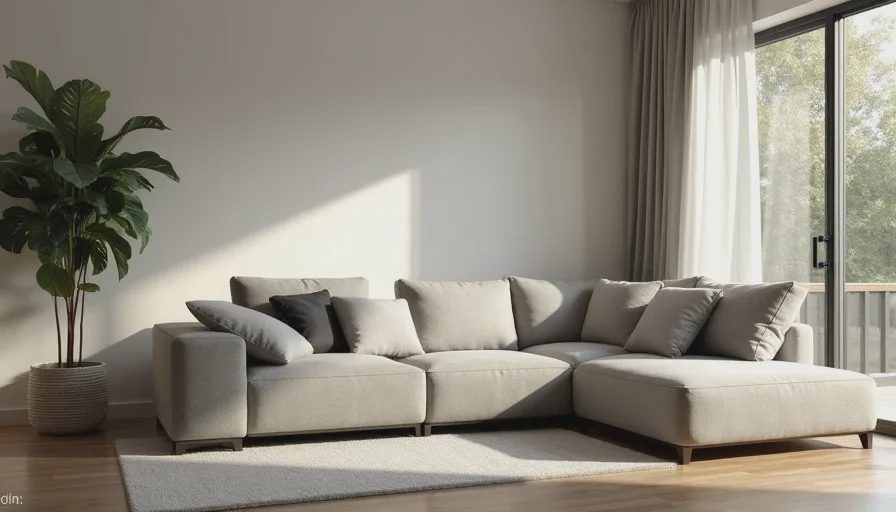
Three months is long enough for cushions to declare their density, for fabric to show how it handles real spills and climbing, and for a frame to reveal whether it stays quiet and square under daily use. We rotated two sectionals through the same living room: one priced at $900 and one at $4,500. Both were modular, both claimed performance fabric, both were used by the same two adults and one very active three-and-a-half-year-old.
I measured seat depth, tracked cushion recovery, cleaned the same types of messes, and noted every squeak, shift, and visible wear. The goal was not to declare a universal winner. It was to see what the price difference actually purchased under the conditions of our house.

Seat depth and daily comfort
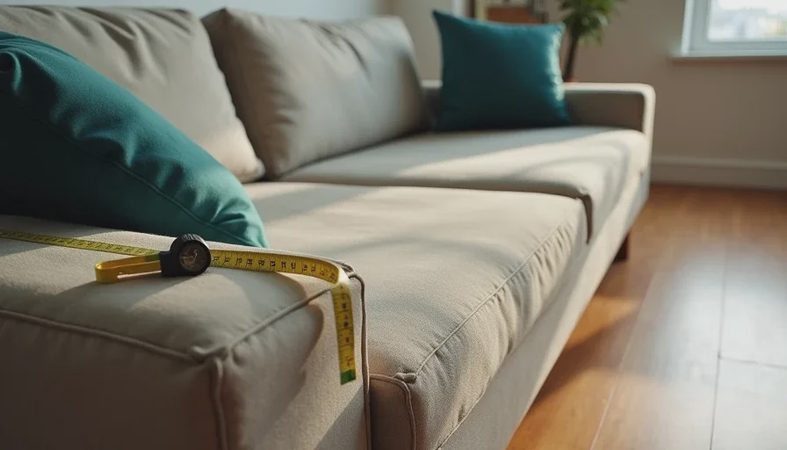
The $4,500 sectional arrived with a seat depth of roughly 24 inches. That is common in lounge-oriented designs and works well for taller bodies or full sprawl. At 5'4" I had to choose between sitting fully back with my feet off the floor or perching forward without lumbar support. Cross-legged sitting helped; upright conversation did not. David, at 6'1", was comfortable immediately.
The $900 sectional measured closer to 21.5–22 inches. My feet stayed on the floor in a normal upright sit. Lumbar contact was better without extra pillows. Side-lying and movie-watching were still possible, though less “cloud-like.” For the primary user who spends the most hours on the sofa, the shallower depth produced less daily compromise.
Depth is independent of price. Plenty of expensive sectionals are built deep; plenty of mid-range ones are more moderate. In this pairing the less expensive piece simply fit the shorter adult better.
Cushions and recovery
After three months the difference in cushion behavior was clear. The premium sectional used higher-density foam with a fiber or feather wrap. The seats softened slightly but recovered most of their shape overnight. The front edge stayed supportive. Sag was minimal even in the most-used spots.
The budget sectional started softer and lost more loft. By the end of the third month the primary seat showed a permanent soft spot. Recovery after someone stood up was slower. The feel went from “sink-in” to “bottoming out” on longer sits. Low-density foam (often in the 1.6–1.8 lb range on value pieces) compresses faster under repeated load. Higher-density foam holds up longer. That difference showed up well before the three-month mark and would only widen with time.
Cushion quality is one of the places where higher price often buys measurable durability. It is also one of the first things to fail on inexpensive upholstery.
Fabric and real messes
Both fabrics were marketed as performance or stain-resistant. Both released water-based spills with prompt blotting. The premium fabric had a tighter weave and a more substantial hand. It resisted pilling better and looked less tired after repeated cleaning. Crayon and marker cleaned more completely from the higher-priced cover.
The budget fabric cleaned adequately for ordinary spills but showed wear faster at the armrests and seat fronts where Mia climbed. It developed a slight fuzz in high-touch zones. Neither fabric was indestructible; the premium one simply slowed the visible aging.
Removable covers on the budget piece were a practical advantage. We could wash them. The premium sectional had more tailored, non-removable upholstery that required more careful spot cleaning.
Frame and structure
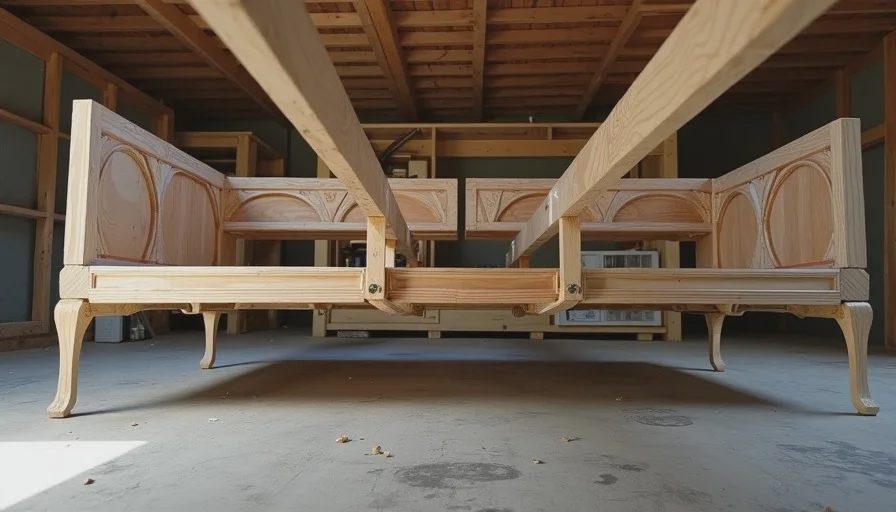
The $4,500 sectional felt rigid. No racking when someone sat hard on one end. Connectors between modules stayed tight. The underside showed solid plywood or hardwood components with proper blocking.
The $900 sectional was acceptable at first and developed a small amount of flex and a faint creak at one junction after heavy use. Module connectors required occasional tightening. The frame materials were lighter engineered wood. It did not fail, but it communicated every larger movement more clearly.
Frame differences matter most over years rather than months. Three months was enough to see the direction of travel.
What the price difference bought
In this specific pairing the higher price purchased:
Better long-term cushion support and recovery
More durable, tighter fabric that aged more slowly
A quieter, more rigid frame and better module connections
A more polished overall appearance and heavier feel
It did not automatically purchase a seat depth that worked for a shorter adult. It did not eliminate the need for regular cleaning. It did not make the piece immune to toddler traffic.
The lower price purchased a better dimensional fit for the primary user and removable covers that simplified maintenance. It surrendered cushion longevity and some structural refinement.
Cost-per-year reality
Assume the budget sectional remains comfortable for five to six years before the cushions need replacement or the piece is retired. At $900 that is roughly $150–180 per year. Assume the premium sectional lasts twelve to fifteen years with better cushion retention. At $4,500 that is roughly $300–375 per year before any cleaning or repair costs.
The premium piece can still be the better long-term value if the cushions and frame actually deliver the extra years and if the deeper seat is acceptable to the people who sit on it most. If the primary sitter is shorter and ends up adding pillows or avoiding upright use, part of that higher annual cost is spent on a compromise.
I would rather pay for density, recovery, and a depth that fits than for a brand story or an exaggerated lounge silhouette that forces daily adjustment. In our house the $900 sectional with the more moderate depth and acceptable (if shorter-lived) cushions was the more rational daily companion for three months. The $4,500 piece was the more durable object. Which one wins depends on whose body is on it and how long you keep it.
Live with the piece long enough for the foam to tell the truth. Measure the seat. Clean the real messes. Then do the division: total cost divided by years of actual comfortable use. That number is more honest than the tag on the showroom floor.




No comments yet — be the first to share a thought.