
I used to buy sofas by the container. Not the pretty ones on Instagram. The ones that arrived in 40-foot boxes from factories in Guangdong or Vietnam, still smelling of adhesive and packing foam. My job was simple on paper: negotiate the factory price, check the sample against the purchase order, and make sure the container cleared customs without a rejection. In practice it meant standing on loading docks in January, opening cartons with a box cutter, and reading lab reports that most consumers never see.
I saw the same pattern over and over. A sofa frame that cost the factory eleven dollars in materials and labor left the warehouse stamped with a brand name and landed on a showroom floor for $2,400. A dining chair that failed the salt-spray test for hardware corrosion still shipped because the margin was too good to kill. VOC numbers that sat right at the legal limit for California were quietly accepted for the rest of the country. I signed off on those shipments because that was the job. Then I got pregnant.
The Moment the Spec Sheet Stopped Being Enough
When Mia was still the size of a grapefruit I started looking at nursery furniture the way I used to look at purchase orders. I wanted numbers. Formaldehyde emission rates. Lead content in paint. The actual weight rating of a changing table if a thirty-pound toddler decided to climb it. What I found online were lists titled “Best Cribs of 2023” written by people who had never opened a factory audit. Affiliate links. Stock photos. Zero mention of the adhesive used on the edge banding.
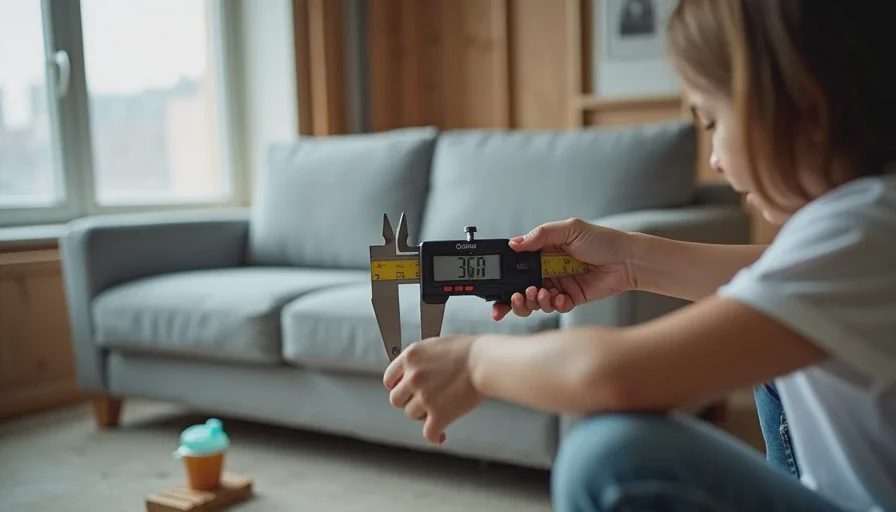
I ordered three highly rated “non-toxic” cribs and ran them through the same checks I used at work. One failed the edge-pull test for corner guards. Another off-gassed at levels that would have triggered a QC hold in my old warehouse. The third looked fine on paper until I measured the gap between the mattress and the side rail with a digital caliper. It was wider than the standard I had required for export orders destined for Europe. I sent all three back.
That was the week I quit.
I did not leave because I suddenly hated furniture. I left because I could no longer recommend anything I had not watched survive three months in a real house with a real child who puts everything in her mouth. My husband David, a structural engineer, looked at the half-demolished 1998 house we had just bought in East Austin and said, “If you’re going to test things, test them here.” So we did.
How the Testing Actually Works
Every product that appears on this site has lived in our house for at least ninety days. That is non-negotiable. Three months is long enough for a sofa cushion to start sagging, for a finish to show the first wear from toddler hands, and for any residual solvent smell to declare itself on a warm afternoon. I do not publish a recommendation based on a weekend unboxing.
The tests fall into three layers.
First, the factory-level checks I used to demand from suppliers. I still request the full material data sheets when I can get them. I measure seat depth and backrest height with the same digital caliper I used on loading docks. I run a handheld VOC meter in a closed room for twenty-four hours after installation. If the numbers sit higher than the California Air Resources Board Phase 2 limits, the product is out, no matter how pretty the Instagram photos look.
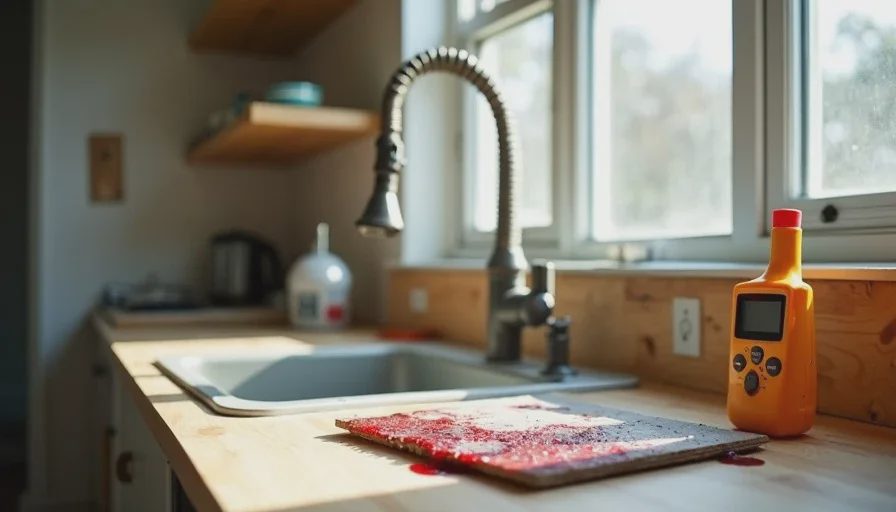
Second, the household abuse tests that no lab performs. For flooring I pour tomato sauce, red wine, and pureed sweet potato on the surface and leave it for twenty-four hours. Then I clean it with one hand while holding a squirming three-year-old on my hip. If it needs two hands or a special cleaner, it fails. For lighting I bring a spectrometer into the room and measure CRI and flicker under the exact conditions we use the light. A pendant that makes a medium-rare steak look gray is not staying in my kitchen. For faucets I operate the pull-down sprayer with acrylic nails on and time how fast the hose snaps back. If it chips the sink or pinches a finger, it is gone.
Third, the Mia filter. Every review ends with a single sentence: what would happen if she touched it, licked it, or ran into it at full toddler speed. That sentence is not cute. It is the reason I measure the radius of a cabinet pull and the sharpness of a table corner before I care about the finish.
David handles the installation and the structural questions. He checks whether a wall can take the weight of a heavy mirror or whether the electrical is actually rated for the new lighting load. I choose the products and run the tests. We argue about both. The house is the laboratory. The toddler is the quality-control inspector who cannot be bribed with marketing language.
What You Will Not Find Here
You will not find a “Top 10 Sofas of 2025” list written from Amazon product pages. If I have not sat cross-legged on the piece for three months, measured the seat depth against a five-foot-four frame, and watched Mia climb it, it does not appear.
You will not find sponsored roundups. Brands send products. Most of them go back. The ones that stay do so because the data and the daily use both cleared the bar, not because a PR email was polite.
You will not find DIY framing tutorials or electrical how-tos. I am not a licensed contractor. David is an engineer, not a licensed electrician. We stay inside the work we actually know: materials, performance, and the gap between the claim on the box and the reality on the floor.
What you will find is the same question I asked myself on that loading dock years ago, only now I answer it in public. Strip the filter. Look at what is underneath. Divide the price by the years you will actually use the thing. And never write with your eyes closed when a three-year-old can reach it.
The first twenty posts will walk through the five categories that matter most in a gut renovation: floors that survive spills, windows that actually drop the noise and the UV, lights that render color correctly, furniture that fits bodies under five-foot-six, and hardware that does not snag small fingers. Every one of them will carry the same three-month requirement and the same Mia sentence at the end.
If you have been burned by pretty junk that failed in year two, or if you simply want the numbers before you spend the money, you are in the right place. I already did the warehouse part. Now we do the living-room part together.





No comments yet — be the first to share a thought.