I tested a fake fireplace the same way I test every home product that has to survive a toddler and a daily mess: I checked the frame, the finish, the heat, the noise, and what happens when it gets bumped with a toy truck. In my Austin house, that means measuring clearance from the wall, looking for wobble at the base, and deciding if the flame effect still looks convincing when the afternoon sun cuts across the room. A pretty staged photo is easy. A room anchor that still feels solid after three months of dusting, vacuuming, and repeat use is the part that matters. Strip the filter. Look at what's underneath.
What to decide before you shop
A fake fireplace can do three different jobs, and the right one depends on which problem you are trying to solve. Some people want atmosphere in a bland living room. Others want supplemental heat for a den or office without firing up the whole HVAC system. The rest are trying to fix a room layout that has one big blank wall and nowhere for the eye to land. If you only want mood, a simple insert may be enough. If you want heat, look for a thermostat, adjustable wattage, and a flame-only setting. Wall-mounted models save floor space, while mantel units act more like furniture and can soften a room that feels too hard-edged. A fake fireplace works best when the job is clear before the shopping starts.
The details that make it look expensive
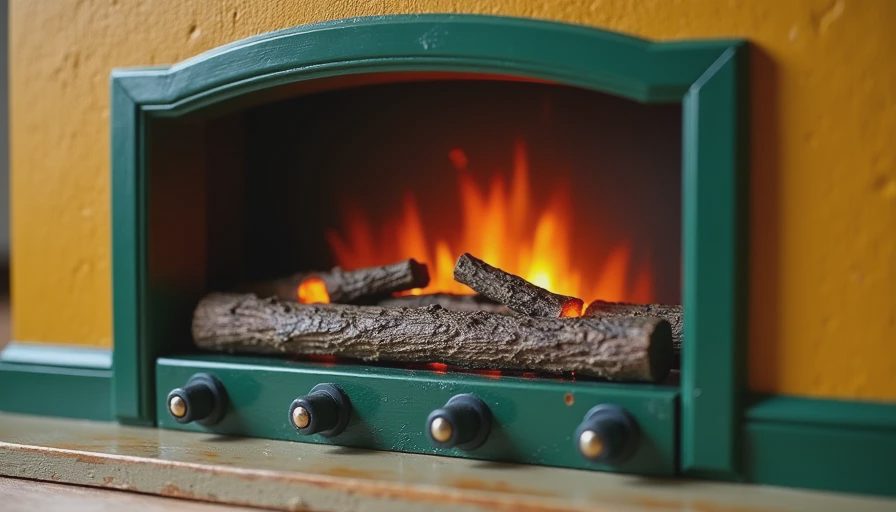
Most of the price gap lives in the details you notice from six feet away. A good unit has depth in the firebox instead of a flat orange screen, a log bed that looks layered instead of printed, and trim that lines up without obvious gaps. Cheap models often give themselves away with fan noise and a flame pattern that repeats like a looped screensaver. Brands such as Dimplex and SimpliFire are usually known for better flame realism, while Real Flame leans more into mantel furniture and Touchstone is common when you want a cleaner wall look. None of that matters if the surround feels hollow when you tap it or the finish scratches the first time you move a basket beside it. A fake fireplace should hold up to dust, fingerprints, and a few hard knocks without looking tired in month two.
Safety and toddler-proofing
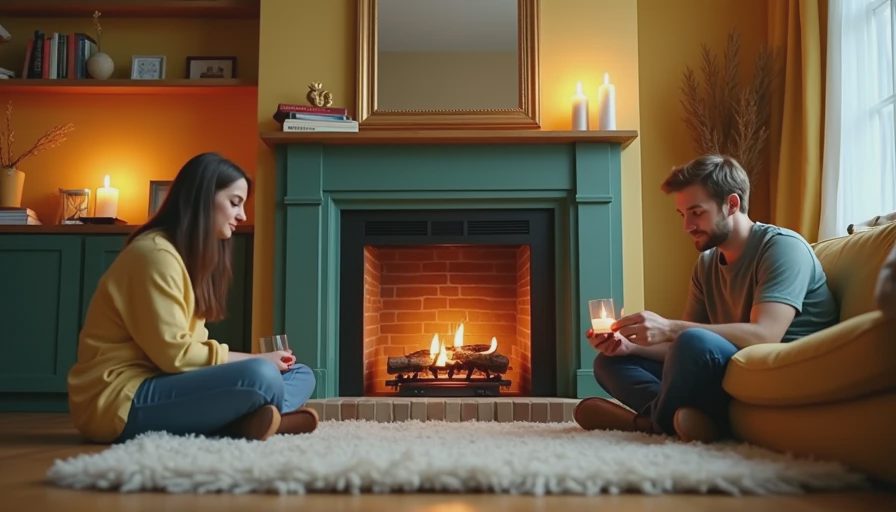
For safety, I start with the toddler question: would Mia touch it, climb on it, or turn the mantel into a parking lot for stuffed animals? Many electric models keep the outer cabinet relatively cool, but the glass and vents can still get warm, so I treat every unit as hands-off unless the manual says otherwise. Check for a UL listing, overheat shutoff, and a cord that reaches the outlet without an extension cord crossing the room. If it mounts on the wall, anchor it into studs. If it sits on the floor, make sure it does not rock when someone leans on the corner. A fake fireplace should calm the room, not become another thing you have to babysit when the house gets loud. If it feels sketchy to clean around or too easy for a child to grab, keep shopping.
How to place it so the room works
Placement changes everything. A unit usually looks best when it has breathing room on both sides, a clear path in front of it, and a finish that connects with the flooring, shelving, or media console around it. If you want a TV above it, check the heat path and the recommended clearance so you are not cooking electronics for no reason. In a smaller room, a slim wall-mounted style can make the space feel taller and less crowded. In a larger room, a mantel unit can give the sofa arrangement a real center point. I also think about dust. Open shelves under the firebox collect clutter fast, and clutter is how a clean room turns into a junk magnet by Tuesday. A fake fireplace only earns its keep when it helps the room flow instead of fighting the furniture layout.
What you should expect to spend
Prices vary a lot, but the pattern is easy to see once you stop shopping by photos and start shopping by build. Basic inserts and portable units often land around $200 to $400. Better mantel setups usually fall in the $600 to $1,500 range. Wall-mounted or built-in-looking systems can run $800 to $2,500 before installation. Add more if you need an electrician, a dedicated outlet, or trim work. A fake fireplace is not the place to chase the lowest sticker price if the housing feels flimsy or the controls are annoying. Stop staring at the price tag. Divide it by the years you'll use it. Now tell me it's expensive. A $1,200 model that still looks clean in year eight is cheaper in real life than a bargain unit you want to replace after two winters.
My practical buying checklist and the Mia test
Before I click buy, I want three things: a finish that wipes clean, a flame effect that does not look like a screensaver, and controls that guests can figure out without a ten-minute tutorial. I also want a heater with a quiet low setting, because a loud fan ruins the whole point of making the room feel settled. After three months, I notice whether fingerprints show, whether the trim scratches, and whether the remote still works when it has been tossed on the sofa with the TV remote and a stack of mail. What Mia would do to it: she would press every button, park a toy truck under the mantel, and eventually lean on the front edge, so I only keep units that feel steady and easy to clean. If you are comparing a fake fireplace, look at finish, flame realism, heat output, and installation cost before you look at anything else. That is where the real value lives.




No comments yet — be the first to share a thought.