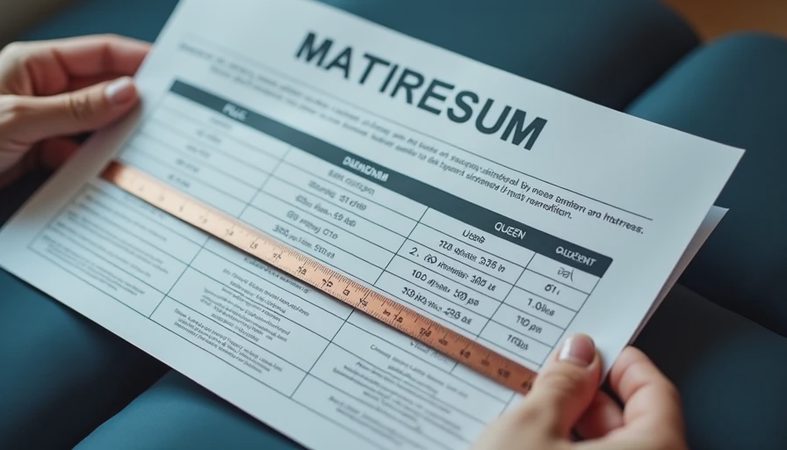
If you are asking how much bigger is a queen than a full, you probably have a room, a budget, and one very specific problem: the current bed feels cramped, but a larger mattress could turn the bedroom into an obstacle course. Strip the filter. Look at the numbers underneath. A full mattress is typically 54 inches wide by 75 inches long. A queen is 60 inches wide by 80 inches long. That means a queen adds 6 inches of width and 5 inches of length, or 30 more square inches of sleeping surface.
That sounds modest until you lie on the edge of a full with a partner, a child, or a dog taking the middle. The extra space is noticeable, but it is not a dramatic jump like moving from a twin to a full. Whether the upgrade works depends on the people sleeping there, the furniture already in the room, and the clear walking paths around the frame.
The actual size difference, measured
To answer how much bigger is a queen than a full in practical terms, picture a six-inch strip running along the entire side of the mattress, plus five inches added at the foot. The queen is 10 percent wider and about 6.7 percent longer. Its total surface area is roughly 4,800 square inches, compared with about 4,050 square inches for a full. The queen therefore offers approximately 18.5 percent more sleeping area.
Those figures describe standard US mattress dimensions, not the outside measurements of a bed. A platform, headboard, footboard, or upholstered side rail can add anywhere from 3 to 12 inches to each dimension. I have measured frames that made a supposedly compact queen consume more floor space than a simple full on a wide metal base. Always measure the frame, not just the mattress label.
A full mattress is sometimes called a double. The names refer to the same standard size, although manufacturers can differ slightly. A queen is not simply a longer full; it is both wider and longer. That distinction matters for two adults, because the extra length helps with feet hanging over the edge while the extra width reduces shoulder-to-shoulder contact.

Who benefits most from the queen upgrade?
The biggest winner is a couple moving from a full. A full gives each sleeper only about 27 inches of nominal width before pillows, movement, and mattress edge support enter the equation. A queen gives each person about 30 inches if the mattress is shared evenly. That is still narrower than a twin per person, but the additional three inches per sleeper can make rolling over and getting comfortable much easier.
For one adult, the answer to how much bigger is a queen than a full is less urgent. A full can be perfectly comfortable for a solo sleeper, especially in a guest room or small apartment. The queen becomes more valuable when that sleeper is tall, sprawls diagonally, works from bed, or expects occasional overnight company. Five additional inches of length is meaningful for anyone near or above six feet tall.
Families should also think about the Mia test: will a toddler climb up, bounce, or roll across the mattress during a Saturday morning? A queen gives a parent and child more room for a story, but it does not make co-sleeping risk-free. Keep infants in their own safe sleep space, and secure a freestanding headboard and frame so climbing does not create a tipping hazard.
Will a queen fit your bedroom?
Before ordering, use painter's tape to mark the mattress footprint on the floor. This takes five minutes and prevents an expensive return. Leave roughly 24 inches of walking clearance where possible, with more space on the side used to make the bed. A 10-by-10-foot room can often hold a queen, but the result may feel tight once two nightstands, a dresser, and a closet door are included.
A full mattress is easier to place in a smaller room because its width saves six inches and its length saves five. Six inches can be the difference between a dresser drawer opening fully and hitting the bed. In a 9-by-10-foot bedroom, that clearance can matter more than the extra sleeping surface. Measure door swings, radiator covers, windows, and baseboard heaters before choosing the larger size.
Do not forget delivery. A queen mattress is commonly shipped compressed in a box, but a queen box spring or rigid foundation may not bend around a narrow stair landing. Measure the tightest turn from the entry door to the bedroom. I have seen people plan a beautiful queen setup only to discover the foundation could not make the upstairs corner.

Sheets, frames, and hidden replacement costs
If you are still calculating how much bigger is a queen than a full, include the accessories. Full sheets do not fit a queen mattress correctly, and stretching them over the wider bed can pull corners loose during the night. You will need queen fitted sheets, a queen comforter or duvet, and usually a queen protector. Depending on fabric and brand, that replacement bundle can add $100 to $400.
The frame is another cost. A basic queen platform may run about $150 to $500, while a wood or upholstered bed can cost $700 or more. Do not place a queen mattress on a full-size frame just because the frame looks sturdy. Unsupported edges can reduce comfort, and an overhanging mattress can shift when someone sits down.
Check the foundation requirements for the mattress you select. Some foam mattresses need closely spaced slats, while certain hybrid models require a specific center support. A queen carries more total load across a wider span, so a center rail with legs is not decorative hardware. It is part of the support system.
Queen versus full: the cost-per-year decision
A queen often costs more, but the difference is not automatically wasteful. Suppose a full mattress costs $700 and serves a solo sleeper for five years, while a $950 queen lasts eight years because it remains comfortable after a partner moves in. The full costs $140 per year; the queen costs about $119 per year. Stop staring at the price tag. Divide it by the years you will use it.
That example is not a promise about durability. Mattress life depends on construction, weight, rotation guidance, humidity, and how often children use it as a trampoline. It does show why the cheapest upfront option can become expensive if you replace it after a move or relationship change. If the room and budget support it, a queen is often the more flexible long-term size.
My practical recommendation
So, how much bigger is a queen than a full? It is 6 inches wider, 5 inches longer, and about 18.5 percent larger in surface area. Choose the queen when two adults will regularly sleep there, when one sleeper is tall or restless, or when you want the bed to remain useful through a future move. Choose the full when floor space is genuinely limited, the room is primarily for one person, or the larger frame would block storage.
Before buying, tape the footprint, measure the frame's outside dimensions, check delivery access, price every piece of new bedding, and inspect the foundation support plan. Then lie on both sizes in a showroom for at least ten minutes with your usual sleeping partner. Numbers tell you what fits; your shoulders, hips, and sleep habits tell you what works.
I would not upgrade just because queen sounds more grown-up. In a compact Austin bedroom, six inches can make the difference between a calm walkway and a bruised shin at 2 a.m. But when a full leaves two people fighting for mattress territory, those six inches are not marketing. They are the reason the room finally works.



No comments yet — be the first to share a thought.