Before you buy a lamp because it looks perfect in an Instagram corner, ask a less glamorous question: what happens when a toddler grabs the shade, pulls the cord, or bumps the table? I spent three months testing lighting in my 1998 Austin house, with Mia moving through the rooms like a small, determined safety inspector. This lamp guide focuses on the parts a staged photograph hides: heat, stability, glare, switch quality, cord routing, and the materials underneath the marketing label.
A useful lamp should do more than fill an empty surface. It should provide comfortable light, stay planted when a child brushes past it, and survive ordinary cleaning without its finish turning cloudy. I also look for replacement parts, standard bulb compatibility, and a base heavy enough to resist a casual shoulder check. Pretty is welcome. Pretty without a usable specification sheet is not a recommendation.
What the lamp specification sheet should tell you
Start with the socket type and maximum bulb wattage. Most household table fixtures use an E26 socket, which accepts common LED bulbs, but do not assume every decorative bulb is safe. The fixture should clearly state its maximum wattage and whether it is rated for LED use. LEDs generally produce less heat than incandescent bulbs, but the shade and socket still need ventilation.
Next, check the dimensions. A nightstand lamp that is 24 inches tall can overwhelm a narrow table, while a short lamp may cast light directly into your eyes from a sofa. For a reading table, I prefer a shade that sits near eye level when seated. A base roughly 7 to 10 inches wide is often more stable than a narrow column, especially on a table that gets bumped.
Weight matters more than the product page photographs suggest. A hollow metal base can look substantial and weigh less than 3 pounds. That is not automatically unsafe, but it deserves careful cord placement and a stable surface. A stone, ceramic, or filled steel base weighing 5 to 9 pounds usually feels more planted. Ask whether the listed weight includes the shade, because that number changes the practical result.
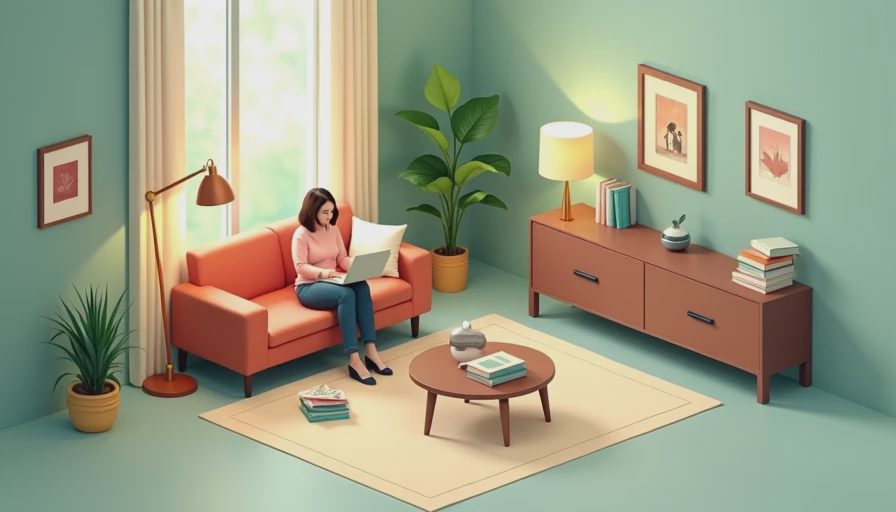
Light quality matters more than the finish
The bulb determines much of the everyday experience. For a bedroom or living room, a warm white bulb around 2700K usually feels calmer than a 4000K daylight bulb. In a kitchen, craft area, or homework corner, 3000K to 4000K can make details easier to see without turning the room blue. Color-rendering information also matters. A bulb with a high CRI can show skin tones, wood, and paint colors more naturally than a bargain bulb with poor color performance.
A dimmer is useful, but compatibility must be confirmed at the bulb and fixture levels. Some lamps use a built-in three-way socket, while others need a compatible plug-in dimmer. I tested the switch repeatedly with dry and slightly dusty hands because a switch that slips or requires too much force becomes annoying quickly. A smooth rotary switch is simple; a touch sensor can be convenient, but it is less predictable around curious children and may react when you do not expect it.
Shade construction changes the light pattern. Linen and cotton shades soften glare, while opaque metal shades direct light downward and create stronger contrast. Clear glass can spread light beautifully but exposes the bulb and may produce glare at seated eye level. Look at the underside of the shade, not just the front photo. Uneven seams, loose trim, and crooked harp fittings are early signs that the manufacturer prioritized appearance over quality control.
Lamp safety in a home with children
The safest placement is often more important than the safest product. Keep a lamp behind the back edge of a deep table, route the cord toward the wall, and avoid letting it hang where a child can pull it. Do not run cords under rugs or across a walking path. A cord cover can reduce access, but it is not a substitute for moving the fixture out of reach.
For a nursery or child’s bedroom, choose a stable base with no sharp exposed corners and avoid fixtures with small detachable finials. A glass shade deserves extra caution if the table is near a play area. The fixture should sit on a surface that cannot wobble, and the outlet should not be overloaded with several adapters. I also prefer a lamp with an enclosed socket and a shade that attaches securely rather than one that rattles when the table moves.
Heat is another practical check. After several hours with the recommended LED bulb, touch the base and lower shade area. Warm is normal; a hot socket, burning odor, discoloration, or flickering is a reason to stop using the fixture. Never exceed the printed wattage limit just because a brighter bulb fits physically. Electrical components are not the place to improvise.
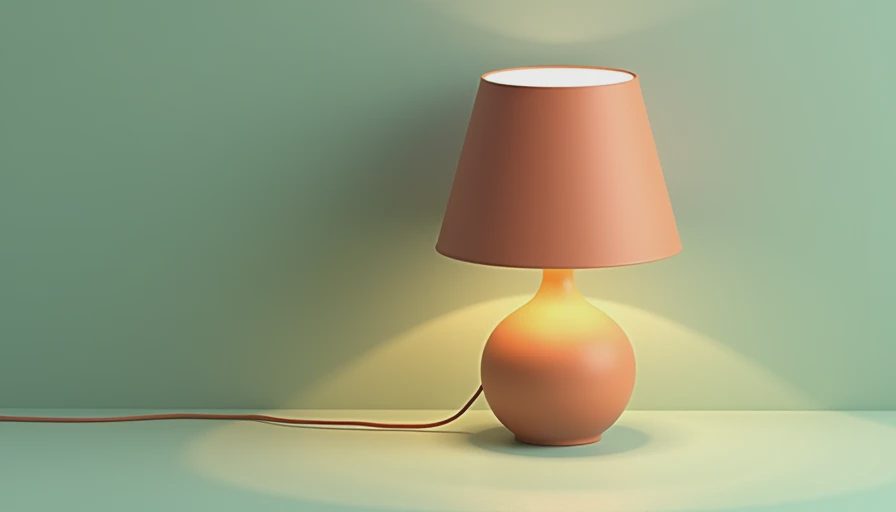
Materials, finishes, and the cleaning test
A durable lamp should tolerate fingerprints, dust, and an occasional splash from a watering can. Powder-coated steel usually handles routine wiping better than thin plated finishes, which can reveal a different color at edges and seams. Ceramic is easy to clean but can chip if the base hits a hard floor. Natural stone has attractive weight, though porous surfaces may absorb oils unless sealed.
I use a barely damp microfiber cloth first, then a mild soap solution only when the manufacturer permits it. Harsh glass cleaner can damage some painted or lacquered finishes. Fabric shades need a soft brush or vacuum attachment at low suction. If the shade is glued rather than stitched, aggressive cleaning can loosen the edge. A replaceable shade is a meaningful advantage because it extends the life of the base after years of dust and sun exposure.
Do not confuse a premium price with premium construction. A $180 designer-style fixture may use the same mass-produced socket and cord hardware as a $70 competitor. Inspect the strain relief where the cord enters the base, the welds on metal parts, and the level of the bottom felt or rubber pads. Those small details tell you more than a name like modern artisan or hotel-inspired.
How I judge value before recommending one
I divide the price by the years I expect to use the fixture. A $240 lamp that stays attractive and functional for 12 years costs $20 per year. A $65 lamp that develops a loose switch, warped shade, or peeling finish after two years costs more than its price suggests, especially after replacement and disposal. This is not an argument for buying the most expensive option; it is a reason to pay for the components you will actually touch.
Compare the cost of a complete replacement with the cost of parts. A standard socket, cord, and shade can sometimes be replaced, but proprietary electronics or integrated LEDs may turn a minor failure into a total loss. Brands such as IKEA, West Elm, and Target offer very different price tiers and construction levels across their ranges, so I judge the individual specification sheet rather than assuming the logo answers the question.
The best lamp for a living room is not necessarily the best one for a desk. Match the base size to the furniture, the brightness to the task, and the control style to the people using it. A beautiful fixture that causes glare or tips easily is decoration, not useful lighting.
What Mia would do to it
Mia would touch the switch, pull the cord, and test whether the base moves when she bumps the table. That is why my final check is deliberately unglamorous: can the fixture stay stable, remain cool with the correct LED bulb, and be cleaned without special treatment? If yes, it has passed the mom-level filter. If the listing hides the socket type, maximum wattage, dimensions, or materials, I skip it and keep looking.
Strip the filter. Look at what is underneath: the hardware, the weight, the heat, and the repair options. Choose those details first, then pick the shade color and silhouette you love. That order keeps a room attractive without making your family live with a fragile object that only looked good for the photograph.


No comments yet — be the first to share a thought.