I spent three months putting washable rugs through the same boring, useful test I use for furniture: spill it, vacuum it, drag it, wash it, then ask whether I would still want it under my feet after a normal Tuesday. In my Austin house, that means yogurt drops, muddy shoes, and the kind of toddler traffic that does not care about styling trends. The short version is that washable rugs are worth the money when they solve a real mess problem, not just when they make a room look softer in a photo.
Measure for the room, not the catalog
The first mistake is buying a size that looks cute online and flimsy in the room. Washable rugs work best when they anchor the furniture, not float in the middle like a bath mat that got lost. For a living room, I want the front legs of the sofa and chairs on the rug, or at least the front legs and coffee table centered together. In an entryway, I want enough length that a person can take two real steps before hitting bare floor. If the rug is too small, every other choice starts to look cheaper. If you are torn between sizes, go larger. A 5x7 can work in a bedroom, but a lot of living rooms need an 8x10 or 9x12 to feel intentional.
This is where washable rugs earn their keep: you can buy the right scale without feeling trapped by a giant cleaning bill later. Stop staring at the price tag. Divide it by the years you'll use it. Now tell me it's expensive.
Pick the fiber for the mess you actually make
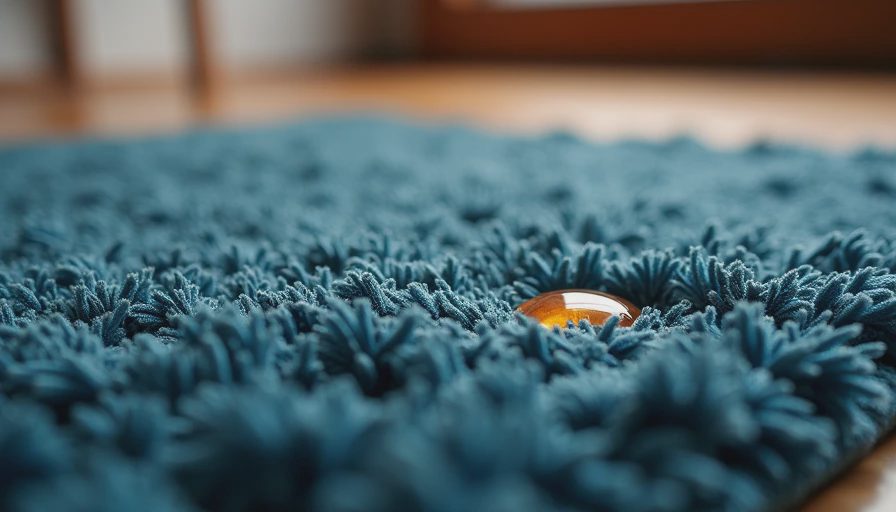
The fiber is where washable rugs separate from pretty junk. Low-pile polyester was the easiest for me to live with because ketchup sat on top long enough to blot, and crumbs came up with one vacuum pass. Cotton feels softer, but it can wrinkle and show wear faster in a high-traffic room. Wool blends can be lovely and durable, but they usually are not the easiest choice if your main goal is throw-it-in-the-wash practicality. High pile and shag look cozy for about five minutes, then they start acting like a crumb trap.
I also like checking how the surface is built. A tight weave usually handles chair legs and rolling toy cars better than a loose, loopy texture. That matters in a house with kids because the moment I think about Mia touching it, licking it, or running into it, I stop caring about the catalog photo and start caring about cleanup time. For that reason, washable rugs with a low pile and a simple weave were the winners in my test.
Backing and pad matter more than the pattern
Pattern gets all the attention, but backing is what keeps a rug from becoming a safety problem. I want a rug that lies flat, does not curl at the corners, and does not skate across hardwood when someone turns fast. A good pad helps with grip, adds a little cushion, and can make a thinner rug feel more finished. On tile and luxury vinyl plank, that extra layer matters because you can hear the difference between a rug that is stable and one that tap-dances every time a kid cuts across it.
If the rug system uses a removable top and a separate pad, check that the layers line up well and do not gap at the edges. Some two-piece systems, like the kind Ruggable made popular, are built for easy washing, but the pad still has to feel stable under real use. I care less about marketing language and more about whether I can walk across it in socks without making a mental note to fix it later.
Cleaning routines that keep the rug looking new
The best washable rugs are the ones you will actually wash, so the process has to be simple enough for a Tuesday night. Smaller sizes can usually go straight into a home washer with mild detergent, then air-dried or tumbled on low if the care tag allows it. Bigger rugs are trickier, and sometimes the answer is a laundromat machine or a front-loader with enough drum space. If the rug is so awkward that you will avoid cleaning it, you are paying for the idea of easy care, not the reality.
I also pay attention to edge binding and stitching because that is where cheap rugs usually give themselves away. Loose threads, wavy hems, and backing that peels after a wash are all signs you will be replacing the rug sooner than you planned. That is why the math matters. A $250 rug that lasts three years is not the same deal as a $600 rug that still looks decent after five washes and a lot of foot traffic. The second one often wins in cost per year, especially in a room that sees spills weekly.
What I would buy for different rooms
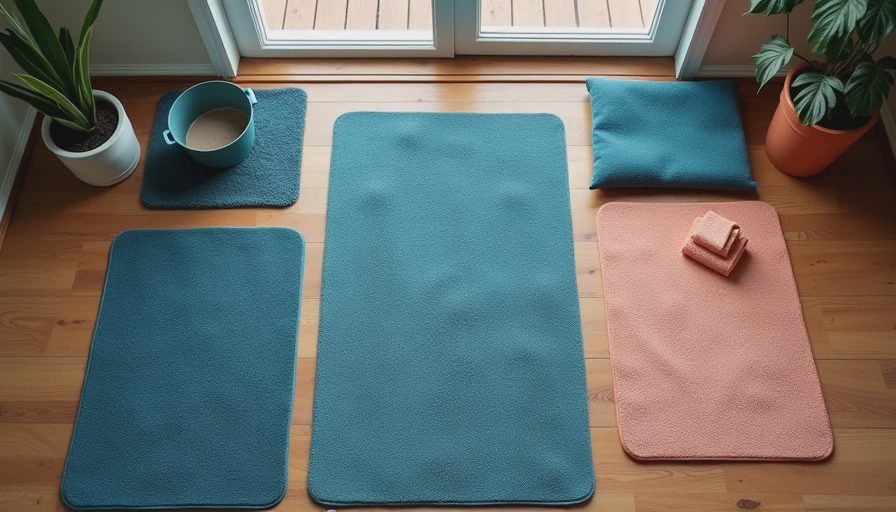
For an entryway, I want a darker color or a pattern with enough movement to hide dirt between washes. For a playroom, I want low pile, soft edges, and a backing that stays put when toys get dragged across it. For a dining area, I want a flatter surface so chair legs do not snag and crumbs do not disappear into the pile. In a bedroom, you can get away with something softer and lighter because the wear is usually gentler. Those are the rooms where washable rugs make the most sense to me, because they solve a repeat problem instead of just filling space.
If you are shopping now, look for the one with clear care instructions, a stable backing, and a size that fits the furniture first. Then compare price, because a pretty option that puffs up, shifts around, or needs special handling is just decor with extra steps. I would rather buy once and live with it than keep replacing cheap versions that fail the first real mess. What Mia would do to it: she would spill something sticky on it, push a toy truck across it, and test whether I actually finished the wash cycle before dinner.




No comments yet — be the first to share a thought.