Strip the filter. Look at what's underneath. That is the rule I follow every time I scroll past another perfectly styled living room. As a former furniture purchasing manager, I have seen what happens when pretty Instagram home decor ideas meet an actual toddler, a dog, and three years of real life. So before you spend another weekend filling an online cart, let me walk you through the home decor ideas I actually tested in my own 1998 Austin fixer-upper, with my daughter Mia and my structural-engineer husband David.
Home Decor Ideas That Start With the Floor
If you want a room to feel finished, start below eye level. In my book, the best home decor ideas start with a floor you can stop worrying about. I tested five flooring options for this renovation: rigid-core luxury vinyl plank, engineered hardwood, tile, sheet vinyl, and carpet. The clear winner for living areas is a rigid-core luxury vinyl plank with a wear layer of at least 20 mil. It survived Mia dragging a wooden block across it without a scratch, and it costs about $3 to $6 per square foot installed. Carpet stays in bedrooms only, and only if the pile is low enough to vacuum without a fight.
Here is the cost-per-year math. A $3,000 engineered hardwood floor that lasts 20 years costs $150 per year. A $1,200 carpet that looks cheerful for three years costs $400 per year. The durable option is the cheap one. For a 200-square-foot playroom, I paid about $800 in materials for rigid-core LVP from a big-box store, and it looks new after eight months of Mia and playdough.

Home Decor Ideas That Pass the Mia Test
Before I recommend anything, I ask one question: what would Mia do to it? That toddler-centric view filters out more bad purchases than any trend forecast. Furniture corners get the hand test, and if I feel a sharp edge, it is too sharp for her forehead. Bookcases and dressers get anchored to the wall, even the short ones. Every fabric needs to survive a wash cycle, not just a pixel preview on my phone.
Practical home decor ideas pass that test without sacrificing the look. A washable performance weave in a light oyster color reads high-end but cleans up with a damp cloth. For the rug, I chose a flat-weave wool blend with a low profile, because high-pile rugs turn into crumb collectors and tripping hazards. It cost $220 for a 5x8 from a warehouse outlet, and I checked three price tiers before I found it.
Light Is the Cheapest Renovation
Good lighting beats another coat of beige paint. I swapped the builder-grade boob lights for LED recessed cans in the main rooms, and it cost about $90 per fixture installed. Color temperature matters. I use 2700K in living spaces because it makes paint colors look true without feeling like an operating room. A dimmer on a $15 switch does more for a room's mood than any expensive candle.
Walk the room at 7 p.m. with one floor lamp and one table lamp on separate switches before you buy art. That simple test saves me from buying accent pieces I do not need.
Where to Put Your Money and Where to Save
After three years of testing, my priority list runs in this order: windows, lighting, flooring, hardware, furniture. Window treatments are the most underrated home decor idea I have found. Cellular shades cut glare, keep the afternoon heat out of an Austin west-facing window, and cost about $40 per window for a good cordless option. Blackout curtains in the nursery paid for themselves in seven months of longer naps.
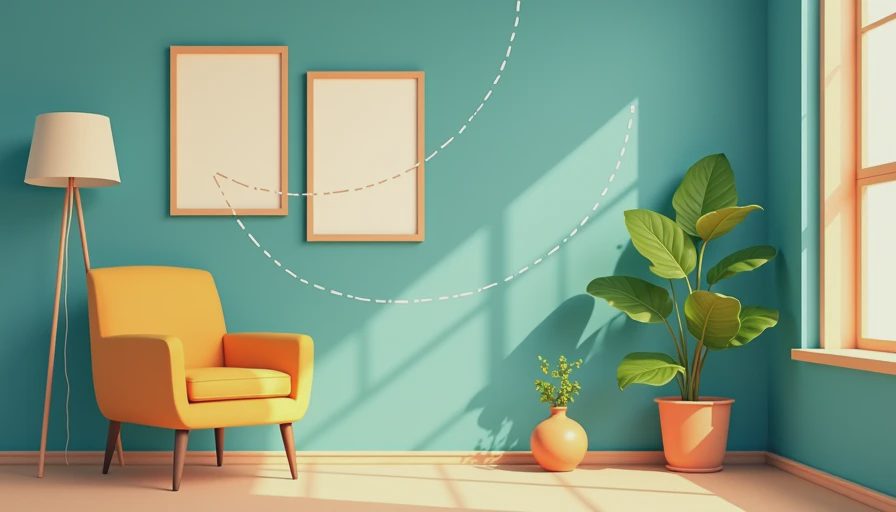
Don't skip the hardware. Replacing dated drawer pulls on a dresser costs around $25 for a set of eight and changes the whole room. On furniture, I skip the full living room suite and buy one anchor piece at a time: a sturdy media console with soft-close drawers, a solid wood dining table with rounded corners, and a sofa with a kiln-dried hardwood frame and a zippered, washable cover.
My Three-Month Test: What Holds Up and What Doesn't
I ran a three-month home decor test on every category in this house. The winners are boring in the best way. A $35 ceramic catchall bowl from a local pottery outlet still looks great after being dropped twice. A $60 set of woven baskets with metal frames hides toys without becoming a climbing hazard. A $120 cordless stick vacuum from a mid-range brand is the thing I recommend more than any scented candle.
The losers are the items that look good on a phone screen and fall apart in your hands. A $15 metal wall art piece flaked paint within a month. A $45 acrylic side table cracked when Mia bumped it with a toy truck. A $80 velvet bench cushion stained permanently after a single smoothie spill, and the manufacturer said it was not designed for water-based spills.
Final Thought: Divide the Price by the Years
Before you buy another throw pillow, ask how it would survive a grape-juice spill and a head-first jump off the couch. Take these home decor ideas into your own space, adapt them to your budget, and always divide the price by the years you will use it. If that math leaves you smiling, go ahead and pull the trigger. If it feels like a guilt trip, find a different version of the same idea.




No comments yet — be the first to share a thought.