I look at accent walls the way I look at flooring and lighting: they have to solve a problem, not just post well. The best version of accent walls gives a room a focal point, hides a weird layout, or adds structure to a space that feels unfinished. The wrong version is just a random dark square that makes the room feel smaller and more confused. Strip the filter. Look at what's underneath. If the wall is doing real work, you will notice it every day without getting bored of it in a month.
When a feature wall earns its keep
A good feature wall usually answers a design problem. Maybe the bedroom feels all headboard and no architecture. Maybe the living room has one long blank plane and every piece of furniture looks like it is floating in the middle of nowhere. In those cases, a single wall can anchor the room faster than new decor, and usually for less money. I like the idea most when the room already has clean lines and the rest of the finishes are calm. Then the wall can carry the visual weight instead of competing with everything else.
The wall behind a bed, sofa, or dining table is often the safest choice because it already reads as a destination. A wall full of doors, windows, vents, or awkward trim is much harder to make look intentional. If the room is small, I also want the wall to be visible from the main entry point so it feels like a decision, not an apology. That is the difference between a room with purpose and a room that just got painted on a whim.
Materials that survive real life
For accent walls, paint is still the cleanest first move. A gallon of quality interior paint usually runs about $45 to $90, and a pro can often finish a simple wall faster than any other option. I like low-VOC paint from brands like Benjamin Moore or Sherwin-Williams when the room is used a lot, especially in bedrooms and play spaces. Matte hides imperfections well, but eggshell or satin wipes cleaner if the wall sits near hands, backpacks, or the occasional sticky fingerprint.
Wallpaper, wood trim, slats, and tile can all work too, but each one changes the maintenance story. Peel-and-stick wallpaper is friendly for renters and temporary projects, yet the cheaper versions can peel at the seams or show wall texture through the finish. Real wallpaper looks better and lasts longer, though installation takes more skill. Wood paneling or board-and-batten adds depth, but it needs careful caulking and paint prep if you want it to look built-in. Tile is the toughest option, but it makes sense only where the wall genuinely needs splash protection or you want a fireplace feature that can take heat and cleaning.
Color, pattern, and light do the heavy lifting
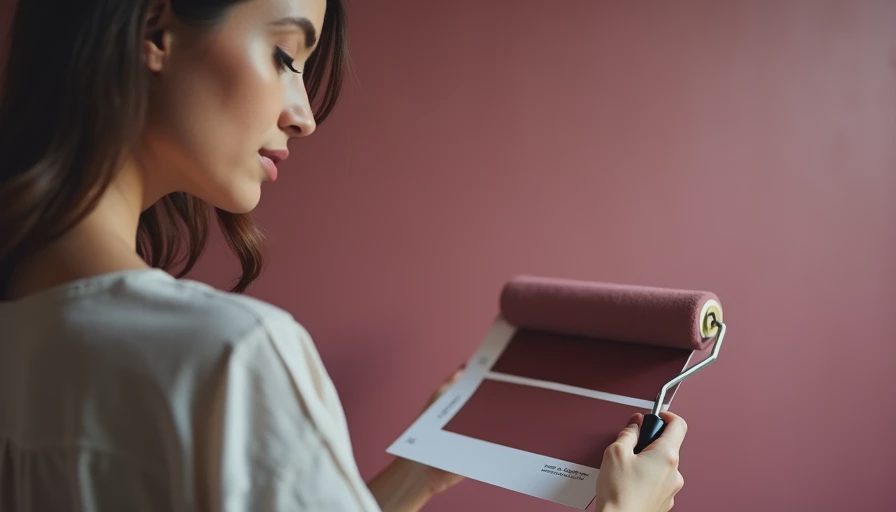
Accent walls fail when the room already has enough contrast. If you have a dark floor, a busy rug, and heavy drapes, adding one more dramatic surface can make the room feel chopped into pieces. I get better results when the wall color ties back to something else in the room, like a color pulled from the rug, the artwork, or the upholstery. That way the wall feels connected instead of random. Deep green, clay, charcoal, and muted blue are dependable choices because they add depth without screaming for attention.
Natural light matters more than people want to admit. North-facing rooms make colors read cooler and flatter, while south-facing rooms can make the same color look warmer and richer. Before you commit, paint a sample at least two feet wide and watch it morning, afternoon, and night. If the room has bright can lights or a lamp that stays on after sunset, test those too. A color that looks elegant at noon can look muddy after dark, and a finish that seems soft can turn shiny once light hits it from the side.
What the project really costs
For accent walls, paint is usually the cheapest room upgrade that still feels finished. A DIY painted wall might cost $60 to $200 once you add primer, tape, rollers, and a decent brush. Hiring a painter for a straightforward wall often lands somewhere around $300 to $800, and that climbs if the wall needs repair, heavy masking, or tall ladder work. Wallpaper installations commonly move into the $600 to $1,500 range because labor matters as much as materials. Wood trim, panel molding, or slat walls can run from a few hundred dollars to well over $2,000 depending on lumber prices, profile detail, and whether you hire out the carpentry.
If you are thinking in cost-per-year terms, that changes the math fast. A $1,200 wall treatment that looks good for ten years is a lot easier to justify than a $400 shortcut that starts peeling or looking dated in two. That is why I like to ask what the wall has to withstand. Is it behind a crib, a sofa, or a desk chair? Is it in a room that gets dragged through in shoes and backpacks? The more traffic it sees, the more you want durable paint, sturdy trim, and a finish that can be cleaned without babying it.
A quick planning run-through before you buy
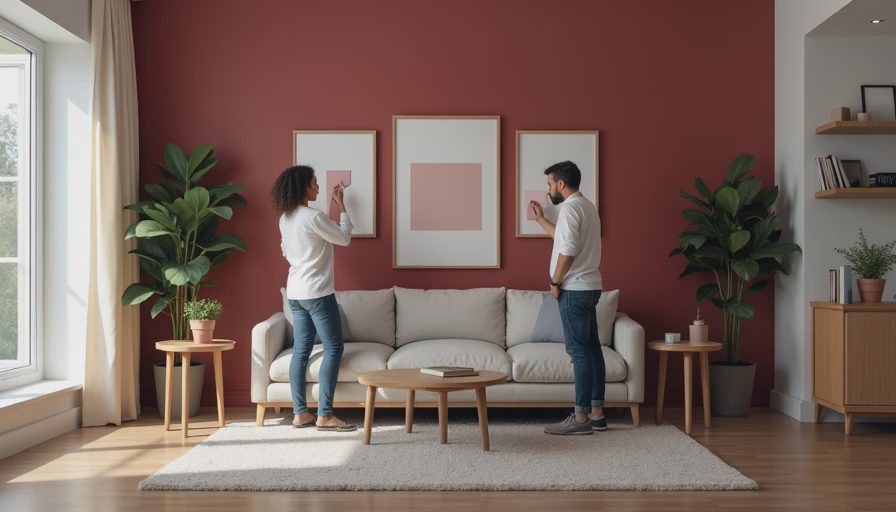
Before you start shopping, stand in the room at three different times of day and take photos with your phone. That is the easiest way to see whether the wall already has enough shadow, whether the base color is warm or cool, and whether a bold finish will help or fight the space. Then measure the wall, including outlets, windows, and trim breaks. Once you know the actual square footage, you can estimate paint, wallpaper rolls, or panel material without guessing. A lot of bad projects start because someone bought enough material for the wall they imagined, not the wall that exists.
I also tell people to test the edge details before committing. Look at the baseboards, the ceiling line, and the trim color. A strong wall color with dingy white trim can look sloppy fast. If you plan to use wallpaper or slats, ask how the surface handles cleaning and patching, because the first scuff is usually the one that decides whether you love the result or resent it.
Mistakes I see most often
The biggest mistake is choosing a wall that has no natural reason to stand out. If it is the smallest wall in the room, or the one with the least visual interest, it usually needs help from furniture placement or trim detail, not just color. The second mistake is picking a finish that is too shiny for the room. Gloss can be beautiful on millwork, but on a full wall it shows every patch and drywall flaw. The third mistake is going too trendy with a color that only works under Instagram lighting and not in normal daylight.
The version of accent walls I trust most is the one that looks intentional from the hallway and still behaves when somebody leans on it, drags a chair across the room, or leaves a handprint on the lower half. That is the test I care about in my own house. What Mia would do to it: touch it, smear it, and probably run a toy car along the base, so I want a finish that cleans up without sulking.




No comments yet — be the first to share a thought.