If you are stuck on queen vs full size, start with the floor plan, not the sales pitch. A queen mattress gives you 60 by 80 inches; a full is 54 by 75. That six-inch width gap sounds tiny until you try to walk around the bed, open a dresser, and not knee the frame at 2 a.m. In a real house, those inches decide whether a room feels calm or cramped. I look at this the same way I look at any furniture buy: strip the filter. Look at what's underneath. If the room is tight, the sleeper is solo, or the bed has to share space with a desk, the answer often gets clear fast.
Room size rules for queen vs full size
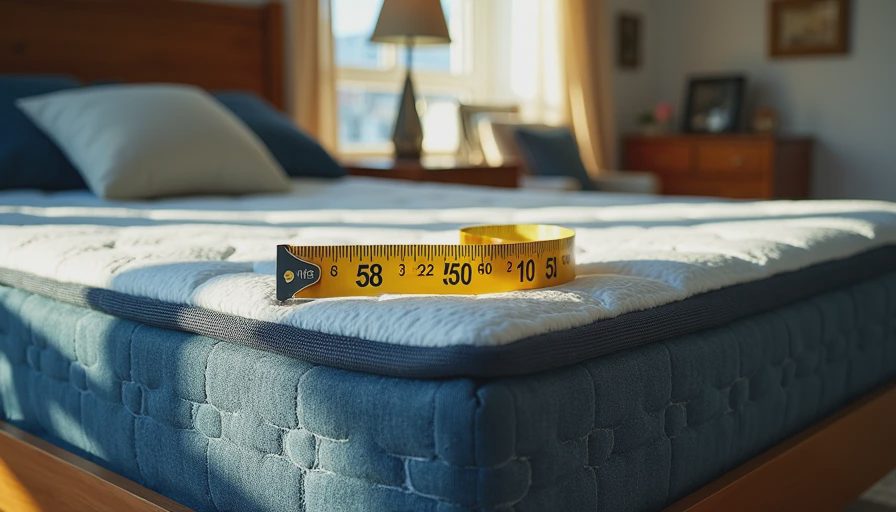
For most bedrooms, the useful target is about 24 to 30 inches of walking space on the open sides of the bed. That means a queen can feel easy in an 11-by-12 room, but it starts crowding things in a 10-by-10 or 10-by-11 space once you add nightstands. A full gives you a little more breathing room around the frame, which matters if the door swings inward, the closet is on the same wall, or you still need a laundry basket lane. I tell people to tape the mattress footprint on the floor with painter's tape before they buy. It's a five-minute check that saves weeks of annoyance. If you can walk the path you actually use, the bed probably fits.
If the room also needs a crib, a reading chair, or a desk, the full can make the whole layout feel less boxed in. In smaller homes, furniture is never just furniture. It is traffic flow, storage, and whether you can stand at the dresser without twisting sideways. A queen looks better on paper until the room starts acting like a hallway. That is why I tell buyers to measure the mattress plus the frame, not just the mattress label.

Comfort is not just width
A queen gives each adult about 30 inches of width. A full gives about 27 inches per person if two adults share it, which is workable for a weekend crash zone and miserable for most long-term couples. If one sleeper moves a lot, the smaller surface makes every elbow obvious. The queen vs full size question is less about mattress folklore and more about how much motion your sleep can tolerate. A kid, dog, or laptop in the bed makes the difference even more obvious. The queen usually absorbs that chaos better, while the full turns bedtime into a game of edge management.
For a solo adult, though, a full is not a compromise in the sad sense people make it out to be. It can feel perfectly generous, especially if you starfish, read in bed, or want the room to hold a dresser, crib, or desk. If you are furnishing a guest room that doubles as a home office, the smaller footprint often wins because the bed is not the only thing the room has to do. I would rather see a full in a balanced room than a queen that swallows the walking space and makes every chore annoying.
Cost, bedding, and the real queen vs full size trade-off
The mattress itself often costs a little more in queen, but the bigger hidden spread is in bedding and accessories. A full sheet set can run $30 to $120 for decent everyday options, while queen sets often sit a notch higher, especially once you move past basic microfiber into percale or linen blends. Comforters, duvet inserts, mattress protectors, and bed frames usually follow the same pattern. The price gap is not enormous, but it adds up if you are furnishing a whole house.
That is where I use my favorite ugly math: stop staring at the price tag. Divide it by the years you'll use it. Now tell me it's expensive. If the queen stays useful for 10 years and keeps a couple sleeping well, the added cost can be easy to justify. If the bed goes into a guest room that sees six weekends a year, the full may be the smarter purchase. The queen vs full size choice is not about proving you bought the bigger thing. It is about buying the size that earns its keep without making the room feel squeezed.
queen vs full size for guest rooms and smaller homes
A full makes sense when the room is doing too many jobs. In a guest room, home office, or kid's room that still has toy bins and a dresser, those extra six inches of queen width can be the difference between clear walking space and bruised shins. I also like a full for a first apartment, a short-term rental setup, or a room where the bed sits near a big window or radiator and you need the perimeter to breathe. If you are buying for a growing child, a full can stretch a lot farther than people expect; it is the kind of size that can last through the tween years without forcing an upgrade every other season. Queen still wins when the bedroom is large enough and you want fewer compromises. It is the safer bet for resale too, because many buyers expect the primary bedroom to fit one comfortably.
If you are deciding for a couple and the room is anything under about 120 square feet, I would push hard toward measuring first and shopping second. A lot of people assume queen is the default adult choice, then live with a nightstand jammed against the wall and no room to walk around the foot of the bed. That is not luxury. That is a clutter problem with nicer sheets.
What matters on moving day and after the delivery truck leaves
One overlooked detail is weight and maneuvering. Queen mattresses and foundations are usually a bit heavier and harder to pivot through stairwells and narrow hallways, especially with thick foam or hybrid constructions. A full can be easier for one person to rotate, strip, and move between rooms. If your home has tight turns or you rent and expect to move again in a few years, that matters. Also pay attention to the frame footprint. Some platform beds add three to five inches per side, which can erase the room savings you thought you had. Measure the entire setup, not just the mattress. That includes nightstands, bedside lamps, drawer clearance, and the chair that always ends up buried under clean laundry.
The queen vs full size decision also affects the everyday mess around the bed. A larger bed leaves less floor showing, which can make a small room feel heavier to clean. A smaller bed can make vacuuming simpler and give you a cleaner path when you are carrying baskets, blankets, or, in my house, a toddler who thinks every room is a racetrack. That practical part is easy to ignore in a showroom and impossible to ignore at 6:30 a.m. on a Monday.
My practical pick for real houses, not showroom fantasies
When I compare queen vs full size in real homes, I usually land on queen for a primary bedroom and full for anything that has to multitask. That is the cleanest rule because it protects sleep first and furniture flow second. But I do not pick by habit alone. I ask whether the sleeper shares the bed, whether the room can handle open drawers and walking paths, and whether the owner wants to keep the bed for 8 to 12 years. If the answer is yes to couples, yes to room space, and yes to long-term use, queen earns its spot. If the answer is no and the room needs flexibility, full keeps the layout from turning into a traffic jam.
What Mia would do to it? She would jump, roll, and turn the wrong-sized bed into an obstacle course. That is why I care so much about footprint, not just comfort. Once the bed is in the room, you live with it every single day. If you want the simplest answer, choose the size that leaves enough space to move, open doors, and sleep without negotiating elbows. That is the one worth buying.




No comments yet — be the first to share a thought.