If you are staring at mattress tags and a measuring tape, full vs queen size is not a tiny styling choice. It changes how you move around the room, whether two adults can sleep without elbow warfare, and how much you spend on sheets, frames, and a mattress that does not swallow the space. I look at this the way I look at a sofa purchase: strip the filter, look at what is underneath, and start with the actual dimensions. A full mattress is 54 by 75 inches. A queen is 60 by 80. That extra 6 inches of width and 5 inches of length sounds small until you put it in a real bedroom with a nightstand, a door swing, and a toddler who treats the room like a racetrack.
The actual dimensions
The numbers matter because they tell you what your body actually gets. A full mattress gives you 4,050 square inches of sleep surface. A queen gives you 4,800. That is about 18 percent more room, and in a bedroom, 18 percent is not a rounding error. It is the difference between your feet hanging off the end and having space for a pillow, a dog, or the arm you fling over your head when you are hot at 2 a.m. In full vs queen size, I would not obsess over the label alone. I would ask who is sleeping there, how long they plan to keep the bed, and whether they want a little extra room to move without touching a wall.
If you sleep alone and like a snug feel, a full can feel efficient instead of cramped. If you are taller, toss around, or spread out like you own the whole zip code, the queen is the safer bet. The price gap is often smaller than people expect. On many mattress lines, the queen costs a bit more, but not enough to make the full a bargain if you outgrow it in a year.
Room layout and traffic flow
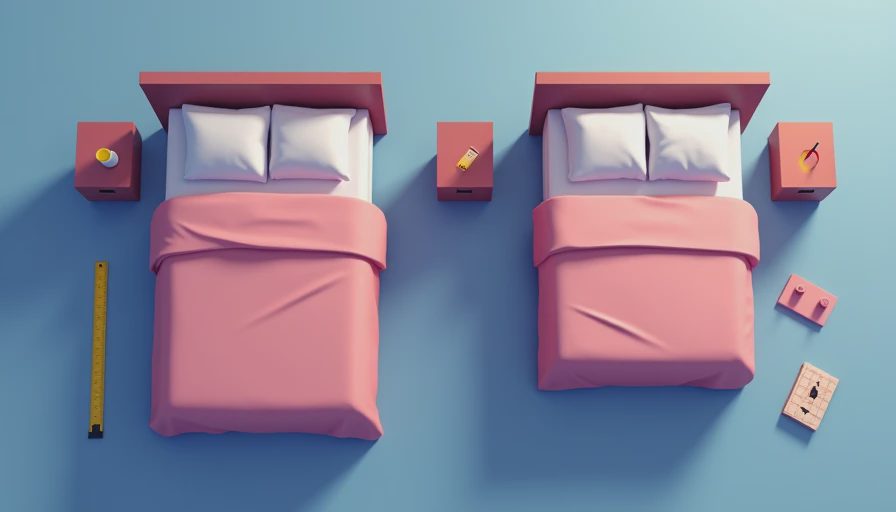
A bed is not just a rectangle. It is a rectangle plus the space you need to walk past it, open drawers, and not stub your shin every morning. This is where full vs queen size turns from a catalog decision into a floor plan decision. In a compact guest room or a narrow primary bedroom, the queen can steal the square footage you wanted for a dresser, a laundry basket, or a clear path to the closet. If the room already feels tight with painter’s tape on the floor, do not pretend a bigger mattress will magically make the room look calmer.
My practical rule is simple: if the bed crowds the room, the room starts to feel more cluttered even when it is perfectly clean. A full often works better in older homes with smaller bedrooms, basement rooms, or offices that need to moonlight as a sleeping space. A queen usually wins in a primary bedroom because it gives you more sleeping comfort without feeling oversized unless the room is truly small.
How sleeping habits change the answer
The fastest way to decide is to think about motion. If you sleep with another adult, a pet, or a child who wanders in during the night, the extra width of a queen is not a luxury detail. It is separation, and separation means less waking up every time somebody rolls over. On a full, each adult gets 27 inches of width. On a queen, that becomes 30 inches. Three inches per person does not sound dramatic until you spend six hours trying not to elbow someone in the ribs.
That is also why I pay attention to the kid test. The moment I think about Mia climbing in beside me, I can tell whether a bed will feel generous or crowded. A full can work for one adult and an occasional guest child. A queen is better if bedtime often turns into family bedtime, if a dog takes up the foot of the bed, or if one sleeper hogs the blanket like it is a competitive sport.
Bedding, frames, and total cost
On the money side, full vs queen size is less about sticker shock and more about the whole setup. Mattresses, bed frames, box springs, and headboards usually cost a little more in queen. Sheets do too, though the difference is often smaller than people think. If a queen set runs $20 to $40 more than a full set, that is easy to miss when you are already spending on a mattress, but it adds up over time. Stop staring at the price tag. Divide it by the years you will use it. Now tell me it is expensive.
Here is the math I actually like: if a queen frame and mattress cost $200 more than the full, and the bed lasts 10 years, that is $20 a year for the extra comfort and flexibility. That is usually cheaper than replacing a too-small mattress early because you got tired of being cramped. The same logic applies to bedding. Buy the size you will keep, not the size that looks cheaper today.

Where each size makes more sense
I reach for a full when the room is small, the sleeper is solo, or the bed has to share space with a desk, crib, or reading chair. A full can also make sense in a guest room that does not need to host two adults every weekend. It leaves more open floor, which makes the room easier to clean and less boxy. In a rental, a full can be a smart middle ground if you want something comfortable without crowding the space.
I reach for a queen when the bed will be used every night by an adult or a couple, when the room has enough space to breathe, or when the buyer plans to keep the setup for years. A queen is also the better move if you are already thinking about comfort upgrades like a thicker mattress, a padded headboard, or a sturdier frame. Those extras all look better when the bed itself is not squeezed into the room.
The measuring tape test
Before you buy, measure the room and tape out the mattress footprint on the floor. Then add the bedside clearance you actually need, not the fantasy version where no one opens a dresser drawer and no one carries laundry through the room. If you want a simple rule, leave enough space to walk on both sides without turning sideways. If the taped outline already feels tight, the bigger size will probably bother you more than help you.
That is the real answer behind full vs queen size: the right bed is the one that fits your room, your sleep style, and your budget without forcing you to compromise everywhere else. If you are still torn after measuring, I usually tell people to buy the queen unless the room is truly small. Sleep is one of the few purchases that you feel every single day, so make the room work first and the label second.





No comments yet — be the first to share a thought.