We bought a 1998 fixer-upper in Austin with a mystery cold spot in the living room. The AC ran nonstop, and the utility bill made no sense. I didn't want to tear open drywall on a guess. That's when I started talking to thermal imaging inspection experts, and I learned a full scan costs less than one emergency service call.
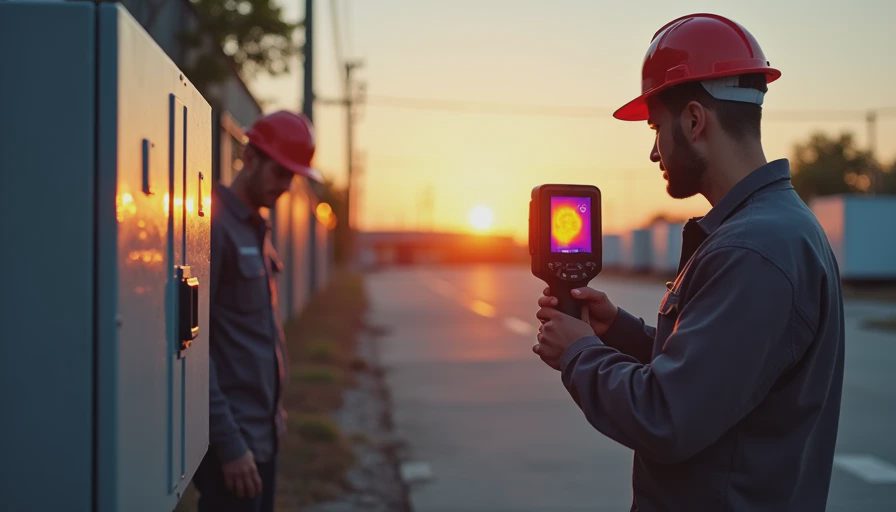
A thermal imaging inspection is an infrared photoshoot for your house. It reveals temperature differences that point to missing insulation, air leaks, or a hot electrical circuit. The best part: you get a report instead of a contractor's best guess.
What the Infrared Camera Actually Sees
The camera measures surface temperatures, so in winter a cold wall corner usually means missing insulation or an air leak. In summer, that same corner might feel warm because hot attic air is seeping in. A thermographer looks for uneven patterns that reveal moisture, drafts, or thermal bridging through studs.
The best thermal imaging inspection experts pair the camera with a blower door test, which depressurizes the house and pulls outside air through every crack. That makes the scan far more accurate. We hired a local company in East Austin, and their blower door test found a disconnected flex duct behind the living room drywall that the previous owner had covered up.
How Much Does It Cost and When Is It Worth Paying For
A whole-house thermal imaging inspection typically runs $250 to $500, depending on size and whether it includes a blower door test. A single room scan costs $100 to $200. That's less than one hour of a consulting electrician's time in Texas.
Book this scan before buying an older home, before signing off on insulation work, or any time high utility bills survive an HVAC tune-up. We also ran one after a hailstorm because moisture can hide inside wall cavities for months. Thermal imaging inspection experts are not free, but divide $400 by years of ownership, and it beats the cost of a mold remediation you could have caught early.
The equipment matters, but the operator matters more. A $15,000 FLIR camera in the wrong hands produces pretty pictures and zero insight. Look for someone with building science training, not just thermography certification. Experts who came from energy auditing or HVAC work tend to give the most useful advice.
How to Vet Thermal Imaging Inspection Experts Before You Book
Ask for a sample report from a recent inspection. You want building photos, location notes, temperature readings, and a clear recommendation, not just an infrared image with a red circle. A report that looks rushed tells you the scan probably was too.
Confirm the technician has a recognized certification like Level I from the Infraspection Institute, ASHI, or BPI. Make sure they will actually enter the attic and crawlspace. Ask if they use a blower door and whether it costs extra. And ask if they will walk you through a prioritized fix list with dollar ranges, so you know what to tackle first.
When I called three thermal imaging inspection experts for quotes, the prices were close but the processes were not. One refused to go into the attic. Another sent a generic brochure. The third spent twenty minutes explaining how a blower door affects single-pane windows. Guess which one we booked. Strip the filter and look at what's underneath.

Red Flags That Should Send You Back to the Drawing Board
Walk away if an expert gives you only a verbal summary. The whole point is a written document you can hand to a contractor. Also walk away if they start selling insulation replacements before examining the attic. A thermal scan can show missing insulation, but it does not explain why the old spray foam failed, and that moisture problem has to be addressed first.
A suspiciously low price, like $75 for a whole-house scan, usually means a consumer camera and no follow-up report. Thermal imaging inspection experts charge enough to cover insurance, calibration, and reporting software. Cheap often means thin.
When Should You Book This Scan?
The ideal time depends on weather. For air leaks, a scan works best when the temperature difference between inside and outside is at least 20 degrees. That's why many thermographers recommend scheduling in late winter or late summer rather than on a mild fall day. Some providers will still run a blower door test to create the pressure difference.
If you are in the middle of a renovation, have the scan done before you hang drywall or install flooring. For a pre-purchase home inspection, ask your general inspector to include thermal imaging as an add-on, or hire a specialist to walk the property the same week. Catching one duct leak can pay for the scan many times over.
The Bottom Line
If you have an unexplained cold room, a weird utility bill, or a renovation about to close up walls, spend the $300 or so to get real data. I would rather pay an expert to find the problem than pay a contractor to guess. The camera never lies about surface temperature, but the person interpreting the image needs to understand building science and a 1998 house with a toddler.
What would Mia do to it? She would probably try to lick the nearest cold spot, which is exactly why I wanted to seal it before closing up the wall. Thermal imaging inspection experts gave us a clear checklist to hand to our contractor, and the final fix cost less than the inspection. That's the math that helps this mom sleep.



No comments yet — be the first to share a thought.