I test a reclining loveseat the same way I test any piece of family furniture: I look at the frame, the mechanism, the fabric, and what happens when a kid throws her body onto it after snack time. Strip the filter. Look at what's underneath. A pretty showroom photo tells me almost nothing; the hinge quality, foam support, and cleanup time tell me everything. If a reclining loveseat is going to live in a busy living room, it has to survive coffee drips, dropped crayons, and the kind of daily use that makes cheap furniture sag fast.
A reclining loveseat earns its keep when it feels solid on day one and still feels solid after months of use. That means checking for kiln-dried hardwood or well-built plywood framing, corner blocks, decent suspension, and seat foam that does not collapse the minute you sit down. Stop staring at the price tag. Divide it by the years you'll use it. Now tell me it's expensive. A $1,400 piece that lasts ten years beats an $800 one that feels tired by year three.
What I check before the showroom glow gets you
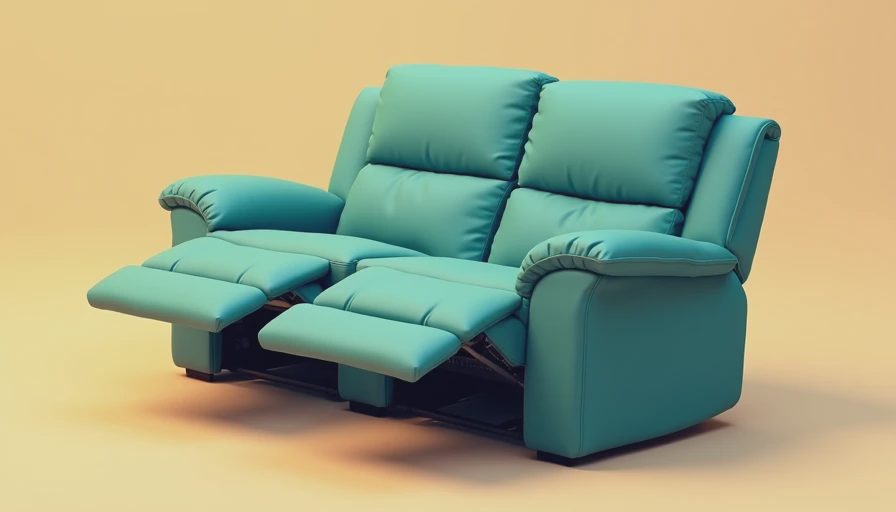
A reclining loveseat should not wobble when you press on the arm or lean back hard. I want the frame to feel tight, the seat to return to shape, and the footrest to open without a grinding sound. In decent mid-range builds, you will often see sinuous springs or pocketed coils under the cushions, and both are better than the flat, hollow feel you get from bargain setups. Foam density matters too. For family use, anything around 1.8 to 2.2 pounds per cubic foot is a better sign than soft filler that compresses immediately. If the seller cannot tell you what is inside it, that is your answer.
The best test is still the ugly one: sit, stand, sit again, then check the seams. A reclining loveseat with sloppy stitching, crooked arms, or a visible gap where the cushions meet is telling you the factory rushed the build. I also look at the base. If the underside is unfinished in a way that seems lazy rather than practical, I assume the hidden parts were cost-cut too. That is where the money goes, and that is where cheap furniture usually fails first.
Manual or power: where the money actually goes
Manual models usually cost less upfront and have fewer parts to break. Power versions are smoother, easier for a person with a sore back, and nicer when the footrest stops exactly where you want it. The tradeoff is obvious: motors, switches, and wiring add cost and create more repair points. A basic manual setup might land around $700 to $1,500, while power can run $1,200 to $3,500 or more depending on fabric and brand. La-Z-Boy often sits higher because of customization and dealer pricing; Ashley and similar mass-market brands usually start lower in retail stores.
If you are choosing a reclining loveseat for a main family room, power can be worth it when the room gets used every day. If it is for a den or guest space, manual often gives better value. Battery packs are nice when you do not want a cord trailing across the floor, but they still need charging. USB ports are convenient, not magical. I care far more about whether the mechanism feels smooth after repeated use than whether the control panel glows blue.
Fabric choices that survive spills, pets, and sticky hands
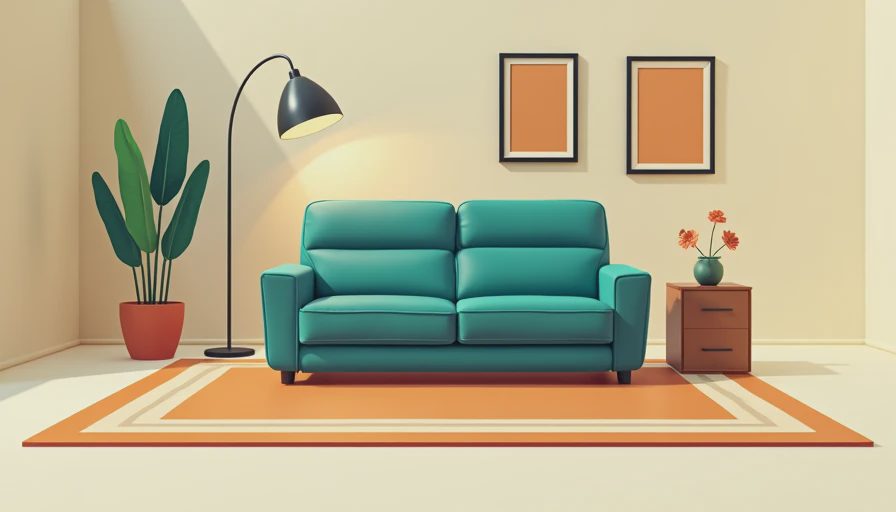
The upholstery is where a reclining loveseat either becomes a workhorse or turns into regret. Performance polyester and microfiber are usually the safest bets for families because they resist stains better than untreated cotton and are easier to wipe down. If you want a reclining loveseat in leather, top-grain leather is the version that usually makes sense over time; bonded leather looks fine for a while and then starts peeling, especially on the seat edges and armrests. For fabric, I like to see a rub count of at least 30,000 double rubs for everyday use. That does not make it indestructible, but it means the cloth has some backbone.
I also pay attention to smell. New foam and adhesives can off-gas, and that sweet chemical odor is not a style point. If a sofa smells strong in the store, I assume the smell will be louder in a closed-up house. Open the windows, let it breathe, and do not pretend that a candle will fix bad materials. For families with pets, tighter weaves matter because claws catch less easily, and hair rolls off smoother. Soft chenille can feel cozy, but it tends to trap crumbs and lint like a magnet.
How to size it so it does not eat the room
Measure the room first, then the doorways, then the path to the room. A reclining loveseat needs more than its showroom footprint because the footrests and backs move. Measure the wall clearance too. Wall-hugger styles need less space behind them, while traditional recliners usually need several extra inches to open cleanly. If the room is small, a reclining loveseat can still work, but only if you leave enough clearance for walking past it without sideways shuffling around a coffee table.
I like to tape the outline on the floor with painter's tape before buying. It is boring and extremely useful. Measure the total width, seat height, and seat depth, then check whether the arms will block a window or vent. If you are tall, test the headrest height and leg support before you fall in love with the color. A reclining loveseat that fits the wall but cramps your knees is not a good purchase; it is a decorative obstacle.
When it is worth buying and when to walk away
A reclining loveseat is worth it when the math, the materials, and the room all line up. If you use it every night for TV, reading, or post-dinner collapse, spending more up front makes sense. A $1,500 piece used daily for ten years costs about forty cents a day. That is less than a lot of coffee. I also like buying during holiday sales, end-of-season clearance, or floor-model markdowns, where a clean discount of 15 to 35 percent is common. If you buy a floor model, check for flattened cushions, uneven power buttons, and scuffed arms before you haul it home.
Walk away if the seat feels springy in a bad way, the mechanism catches, the cushions are already lumpy, or the return policy is a headache. For power models, I want a decent warranty on the motor and electrical parts because that is where expensive problems hide. For manual models, I care more about hinge quality and frame support. A reclining loveseat is not the place to gamble on mystery construction. The moment I think about Mia touching it, licking it, or running into it, I know whether it passes. What Mia would do to it: climb it, kick the footrest, and test every seam with sticky hands, so I only keep the one that can take the hit.



No comments yet — be the first to share a thought.