A headboard for adjustable bed use is one of those things that looks simple until the bed starts moving. I spent three months testing fit, wobble, clearance, and cleanability in our Austin house, and the first lesson was obvious: if the panel blocks the base, rattles when the mattress lifts, or gives a toddler a fun new thing to shove, it is the wrong buy. Strip the filter. Look at what’s underneath. The right piece should stay quiet, protect the wall, and still make the room feel finished when the bed is flat, half-raised, or all the way up for reading.
What a headboard for adjustable bed needs to handle
The big difference is movement. A regular bed frame stays put; an adjustable base does not. That means the piece behind it has to live with changing angles, shifting weight, and extra stress at the attachment points. If the mattress rises for TV time or the foot section lifts for circulation, you want enough clearance so sheets do not tug and the frame does not scrape. On a split king, the layout matters even more because the center gap and moving halves can make a wide panel feel awkward if the mounting is too rigid.
The safest approach is to match the attachment style to the base you already own. Some adjustable bases come with brackets that bolt to a headboard. Some need a separate kit. Others work better with a wall-mounted panel that never moves with the bed. I like that last option for heavier upholstered styles because it keeps the load off the moving frame, but only if the wall anchors hit studs and the installer gets the height right. A stationary panel should never look like it is dangling over the mattress, and it should never force the bed to sit too far out from the wall just to make the hardware fit.
For families, this is also the moment to think about contact points. Rounded corners beat sharp ones. Upholstered edges beat raw wood if someone is likely to bump the side at 2 a.m. The moment I think about Mia touching it, licking it, or running into it, I start asking different questions about padding, stain resistance, and how much the bracket can flex before it starts making noise.
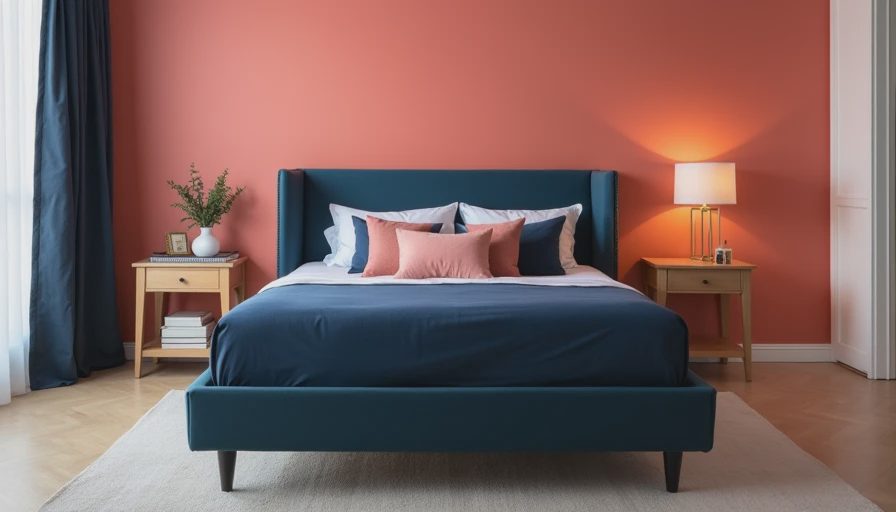
Materials that hold up after spills, elbows, and bedtime books
Upholstered headboards are usually the easiest sell because they feel softer against pillows and are kinder to bare arms. A performance fabric version with a tight weave is the sweet spot for most homes. It handles fingerprints, lotion smears, and the occasional juice box splash much better than a loose bouclé or a delicate linen that pills the second someone leans on it every night. If the fabric is removable, even better, but do not assume that means easy cleaning. I want a surface I can wipe with a damp cloth without worrying about water rings or crushed foam.
Wood still has a place, especially if you want a cleaner look and less risk of staining. Solid oak, walnut, or acacia will usually outlast the cheaper veneer pieces that start chipping around the edges after a few moves. The tradeoff is comfort: a hard top rail feels fine in a guest room, but in a room where someone reads in bed every night, it can turn into a shoulder bruise factory. Metal is the most wipeable option of all, but it can feel cold and look better in a room that leans industrial than in a soft, layered master bedroom.
Price matters, but only after you divide it by years of use. A $300 panel that warps in two years is a worse deal than a $700 one that still looks good after ten. That is the part people skip when they’re staring at pretty product photos. A sturdy headboard for adjustable bed setups should be judged like any other hard-working household item: if it survives daily use for a decade, the annual cost is easy to swallow.
Mounting details that matter more than the catalog photo
This is where most regret starts. A beautiful panel can still fail if the mounting points are flimsy, the bolts are the wrong length, or the hardware was designed for a fixed frame and not a moving base. Before you buy, check whether the bed frame has slotted holes, a universal bracket kit, or a clean wall-mount plan. If the seller does not show the back of the piece, that is a warning sign. If the instructions are vague, assume you will spend an extra hour at the hardware store and maybe another thirty dollars on the right fasteners.
The easiest mistake is buying for width alone. Height matters too. A low headboard can look chopped off behind a tall mattress, while a very tall one can crowd a room with eight-foot ceilings. I usually like the top edge high enough to anchor the bed without making the room feel top-heavy. In small bedrooms, a slimmer profile often works better than a giant upholstered wall. In a larger room, more vertical presence can make the bed look intentional instead of floating in the middle like it has not been fully assembled.
If you need a quick filter, measure the bed in its highest and lowest positions, then imagine the bedding rubbing the same surfaces every night. That simple test catches most bad matches. A headboard for adjustable bed use should feel boring in the best way: no squeaks, no wiggle, no surprise gap at the wall.

My short buying rule after testing in a house with a toddler
If I were helping a friend shop today, I would start with three questions. First, can the frame move freely without touching the panel? Second, is the surface easy to wipe after sticky hands or spilled coffee? Third, would the mounting still feel solid if somebody leaned on it while climbing into bed? If the answer to any of those is no, keep scrolling.
For most homes, a mid-priced upholstered model with a straightforward bracket system is the safest bet. It gives enough softness for everyday use, enough structure to last, and enough visual weight to make the bed feel finished. If the room gets heavy use, I would spend more on better foam, tighter stitching, and stronger hardware before I paid extra for trendy fabric that looks good for six months and then starts to sag. The same goes for wood: buy the better joinery, not just the prettier stain.
A headboard for adjustable bed shopping should not be a beauty contest. It should be a fit test, a noise test, and a cleanup test. If it passes those, the styling part gets easy. What Mia would do to it is simple: she’d push on the top edge, drag a blanket across it, and try to use the corner as a climbing handle, so I only trust a setup that stays calm when the house gets rough.





No comments yet — be the first to share a thought.