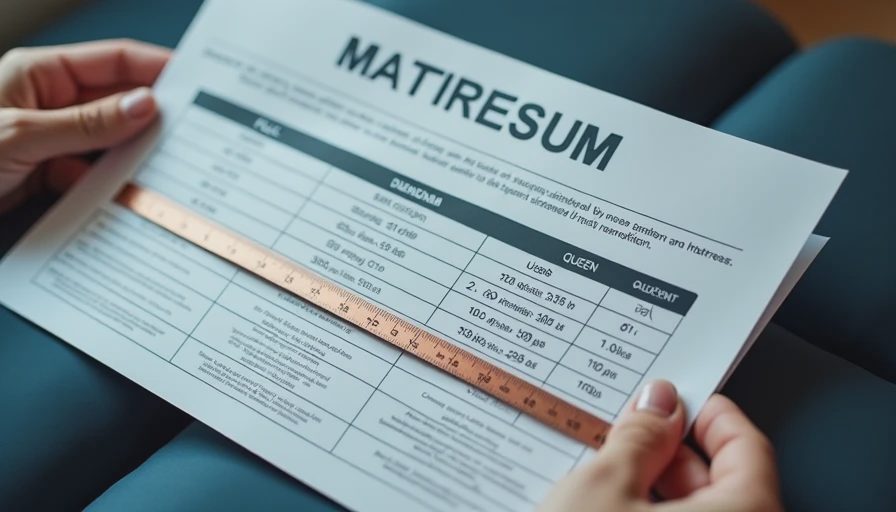
When I compare full vs queen mattress size, I start with a tape measure, not a styled bedroom photo. A full mattress measures 54 inches wide by 75 inches long. A queen measures 60 inches wide by 80 inches long. Those six inches of width and five inches of length sound minor until you are carrying laundry around the bed, sharing it with a partner, or trying to keep a toddler from launching herself into the nightstand.
I measured both footprints on the floor of my 1998 Austin house, then mapped the clearance around each one. The queen used about 33.3 square feet of mattress surface; the full used roughly 28.1 square feet. The difference is about 5.2 square feet, but the practical difference is bigger because the queen also needs more walking space around its edges. Strip the filter. Look at what is underneath: the better mattress is the one that fits your room, sleepers, sheets, and daily habits.
The actual measurements and bedroom impact
The full mattress is 4 feet, 6 inches wide and 6 feet, 3 inches long. The queen is 5 feet wide and 6 feet, 8 inches long. Neither dimension includes the bed frame, headboard, footboard, or a platform lip. Add several inches for a simple metal frame and potentially 6 to 12 inches for a substantial upholstered headboard or storage base.
For a comfortable layout, I like to see approximately 24 inches of walking clearance beside the bed and at least 30 inches at the foot when the room allows it. A full can work well in a 10-by-10-foot guest room, especially with a narrow nightstand. A queen is more comfortable in a room around 10 by 12 feet or larger, although furniture placement matters more than a single minimum number.
The full has a useful advantage in small rooms: it leaves more space for a dresser, reading chair, or play area. In a tight guest room, those extra inches can prevent a door from hitting the frame. The queen gives you more sleeping surface, but a bulky frame can make the whole room feel pinched.
full vs queen mattress size for one sleeper or two
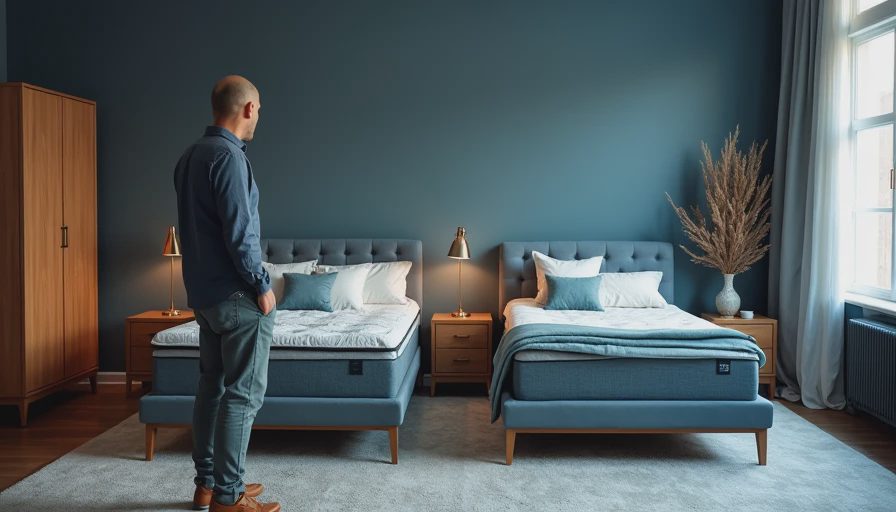
For one adult, a full mattress is often generous enough. It gives a sleeper 27 inches of theoretical width, compared with 30 inches on a queen when two people share. Neither is as wide per person as a twin bed used alone, but the queen makes a noticeable difference for sleepers who move, spread out, or share blankets.
For two adults, I generally favor the queen unless the room cannot accommodate it. The additional five inches of length also help anyone taller than about 5 feet, 10 inches, because feet are less likely to press against the mattress edge. A full can work for occasional guests or a couple who prefers close quarters, but it can feel crowded every night.
This is where full vs queen mattress size becomes a lifestyle decision rather than a floor-plan decision. If one person works from the bed, reads with a laptop, or sleeps with a large dog, the queen earns its footprint quickly. If the bed is for a child, teenager, or occasional visitor, the full may be the smarter use of money and space.
Bedding, frames, and the hidden cost
Full and queen bedding are not interchangeable. Full sheets are cut for a 54-by-75-inch mattress, while queen sheets are cut for a 60-by-80-inch mattress. A queen fitted sheet on a full may bunch at the corners, and a full fitted sheet will not cover a queen safely. Mattress depth matters too: a 14-inch mattress needs deep-pocket sheets, regardless of its width and length.
Queen sheets, protectors, comforters, and duvets are commonly priced a little higher than full versions. The difference might be $10 to $40 for basic bedding and more for linen, organic cotton, or specialty cooling fabric. Frames can add another $100 to $1,000 depending on whether you choose a basic steel platform, an IKEA-style storage base, or a solid-wood frame.
Before ordering, measure the existing frame inside the rails, not just the outside. A frame labeled “full” should support a full mattress, but manufacturing tolerances and decorative rails can create surprises. I also check whether the center support reaches the floor. A queen is wider, so a weak or unsupported foundation can flex and shorten the useful life of the mattress.
full vs queen mattress size for kids and family safety
A mattress itself is not a substitute for age-appropriate sleep safety. For an infant, use a properly fitted crib mattress and follow current safe-sleep guidance. A full or queen becomes a different conversation when an older child moves to a bed, and the main risks are gaps, falls, unstable furniture, and access to cords or wall-mounted items.
With Mia, I look at what she would touch, climb, lick, or bump into. A low platform reduces fall height, but it does not make a tall bookcase safe. Leave no gap between the mattress and frame where a small arm or leg could become trapped. Anchor dressers and keep the bed away from window cords. A queen can be useful when a parent needs to lie beside a child during a rough night, but the extra surface does not eliminate the need for a secure room.
A full is easier to fit into a child’s room while preserving floor space for play. A queen can make sense in a teen’s room or a shared guest room, particularly if the bed will later serve adults. Think in years, not just today’s bedtime. Stop staring at the price tag. Divide it by the years you will use it, then compare that number with the cost of replacing a too-small bed and its bedding later.
A simple decision process before ordering
Start by measuring the room’s length and width, then mark the proposed mattress footprint with painter’s tape. Add the frame’s actual dimensions, not the mattress label. Walk through the taped layout while carrying a laundry basket. Open the closet and bedroom door. Pull out drawers. Place a nightstand where you expect it to go.
Next, measure the sleepers. If either adult is tall, the queen’s 80-inch length deserves serious consideration. If the room is for one child or a single adult and storage is limited, the full’s smaller footprint may leave room for a desk or toy shelf. Then price the complete setup: mattress, foundation, frame, protector, sheets, blanket, and delivery.
Finally, check the return policy and the foundation requirements. A mattress that feels comfortable in a showroom can feel different after a full night, especially when two people share it. Brands such as Saatva, Purple, Tempur-Pedic, and Costco’s mattress lines sell options in both sizes, but construction, trial terms, and warranty rules vary by model. Read the specifications instead of trusting the lifestyle photograph.
My practical answer
For a single sleeper, a child, or a compact guest room, the full is usually the efficient choice. It costs less to furnish, leaves more usable floor area, and still provides a substantial sleeping surface. For two adults, taller sleepers, or a bedroom intended to remain flexible for years, the queen is usually worth the extra six inches of width and five inches of length.
The cleanest way to settle full vs queen mattress size is to tape both footprints on the floor and live with each outline for a day. Notice where your feet, dresser drawers, and toddler traffic actually go. The larger bed should not win automatically; it should win because the room and the people using it can support the space. That is the answer underneath the marketing label.



No comments yet — be the first to share a thought.