If you’re asking where to find cheap home decor, start with this rule: cheap is only a win if it looks good, holds up, and does not need replacing in six months. I learned that the hard way in my Austin fixer-upper, where one too-thin lamp base and one wobbly side table taught me more than any cute Instagram reel ever did. Strip the filter. Look at what’s underneath. If the frame is thin, the finish is already flaking, or the price is low because the material is basically cardboard with a new outfit, walk away.
The best deals are usually not at the place with the prettiest display. They’re in the dusty corners, the clearance aisles, the off-season racks, and the secondhand spots where someone else already paid full price. That is also where you can stretch a room fast. A $20 mirror, a $35 rug, and a $12 lamp can change a space more than one overpriced statement piece. Stop staring at the price tag. Divide it by the years you’ll use it. Now tell me it’s expensive.
Where to find cheap home decor that does not look cheap
When people ask where to find cheap home decor, I start with thrift stores, Habitat ReStore, and estate sales. Thrift stores are best for frames, ceramic vases, books, baskets, trays, and art that only needs a new mat or frame. Habitat ReStore is especially useful for lamps, mirrors, cabinet hardware, and leftover tiles. Estate sales can be a gold mine on the last day, when sellers would rather move things out than pack them back up. I have picked up solid wood side tables for under $40 and brass lamps for less than the cost of a new lampshade.
The trick is not just shopping cheap. It is shopping for bones. Solid wood, real glass, and heavy ceramic usually beat shiny particleboard every time. If a picture frame feels hollow enough to crack in the car, skip it. If a lamp shade is stained but the base is sturdy, that is a good buy. I will happily spend $15 on something that needs cleaning and $0 on something that needs replacing the second Mia bumps into it.
Big-box clearance is where the boring basics hide
I also look at IKEA As-Is, Target clearance, HomeGoods markdown racks, At Home, and the seasonal aisles at Home Depot and Lowe’s. This is where you find the plain things that make a room work: mirrors, curtain rods, baskets, throw pillows, table lamps, and candleholders. The colors are usually more neutral, which is a gift. Neutral basics are easier to layer, and they do not fight your furniture.
IKEA As-Is is especially good for small-space storage and simple frames. Target clearance can surprise you after a holiday reset, when candleholders, garlands, and accent pieces drop hard. At Home and HomeGoods are less predictable, but if you are patient and willing to walk the whole store, you can catch marked-down rugs, stools, and large wall art. The point is to buy the shape, not the label. A plain black metal lamp from a store nobody brags about can look better than a trendy one with a fast-fashion finish.

Online sources work if you shop like a skeptic
Online, I keep coming back to Facebook Marketplace, OfferUp, Craigslist, eBay, and the clearance sections on Wayfair and Overstock. This is where to find cheap home decor if you do not mind sorting through a lot of noise. Online shopping rewards the patient buyer. Search by material, not just by style. Type in “solid wood console,” “brass lamp,” or “hand-knotted rug” instead of vague terms like “modern accent.” You will get fewer junk results and better bargains.
Photos matter more than the listing title. I want close-ups of corners, seams, cords, and undersides. If the seller only posted one dim photo taken from the doorway, I assume there is something to hide. For upholstered items, I pass unless the piece is clearly from a clean home and the price is low enough to justify a deep clean. For hard decor, I look for scratches that stay cosmetic instead of structural. A $25 mirror with a chipped edge can still be a yes. A $25 table with a loose leg is usually a no.
How I spot a fake bargain before it gets into my house
This is the part most people skip, and it is why cheap decor turns expensive. I check weight, finish, hardware, and stability. A lamp that feels light enough to tip when a cord is tugged is a pass. A basket with rough seams may be fine for blankets, but not for anything Mia will grab with wet hands. A candle holder with a crooked base looks harmless until it starts scratching a table. If you have kids, pets, or one very enthusiastic vacuum cleaner, the risk test matters more than the style test.
I also pay attention to where the savings are hiding. Clearance pricing is real savings when the item is intact and just being phased out. Deeply discounted decor from liquidation or closing sales can be a bargain if you inspect it in person. But a low price on a flimsy item is not savings. It is a delay. The $18 tray that warps in a year costs more than the $48 tray you keep for a decade. That is the part people forget when they’re busy chasing a deal.
Build the room in the right order and you spend less
If your whole room needs help, buy in this order: large anchor pieces first, then lighting, then wall decor, then the small stuff. That sequence keeps you from wasting money on filler before you know what the room needs. A rug sets the scale. A lamp fixes the mood. A mirror or framed print gives the wall some structure. The last layer is where your cheap finds do the most work, because a $12 vase looks better when it sits on a console that already has shape and proportion.
The easiest rooms to furnish cheaply are the ones you treat like a puzzle instead of a shopping spree. I usually tell readers to choose one finish family, one metal, and one wood tone before they start buying. That stops the random cart from taking over. And yes, you can mix high and low. You should. The goal is not to make every object expensive. The goal is to make the room read as intentional.
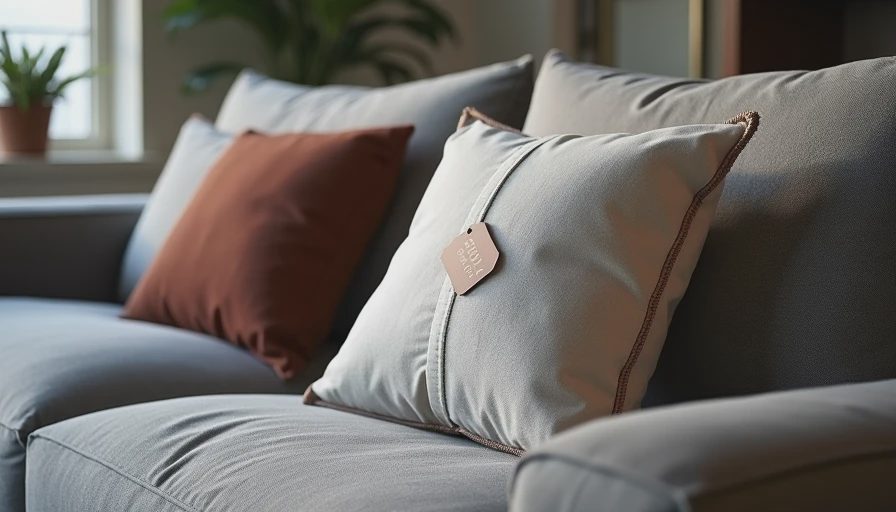
If you keep asking where to find cheap home decor, the answer is usually a mix of secondhand spots, clearance aisles, and online patience. Look for sturdy materials, clean lines, and pieces that can survive real life. Then buy fewer things, but better ones. That is how a room starts looking collected instead of cheap.
What Mia would do to it: she would touch the edges, test the stability, and probably try to drag the lightest thing across the floor, which is exactly why I only bring home decor that can survive a toddler’s first pass.




No comments yet — be the first to share a thought.