I don't write about a product until I've lived with it. So when I decided to swap our old 50-gallon tank for a tankless gas water heater, I set up a proper test: 90 days of metering hot water use, tracking gas bills, timing showers, and checking the outlet temperature with a digital thermometer. This isn't a spec-sheet review. It's what happens when a civil engineer and a 3-year-old share a house with a 199,000-BTU unit.
How I Tested This Tankless Gas Water Heater
Here's the setup. We installed a Rinnai RUC98iN condensing unit in our utility closet, replacing a 50-gallon Rheem tank from 2009. The old tank sat in a fiberglass drip pan; the new unit hangs on the wall and takes up a space about the size of a small suitcase. For three months, David and I logged every hot-water event: the two morning showers, the dishwasher cycles, the laundry loads. I used a K-type thermocouple to measure water temperature at the farthest faucet, which is the master bath sink about 40 feet of pipe from the heater. I also read the gas meter every Sunday at 7 a.m. Before the swap, I recorded one full week of gas use with the old tank so I had a baseline. Mia contributed by trying to press every button on the unit's front panel, which is why I'll always recommend a wall-mounted unit out of toddler reach.
Cost Per Year: Stop Staring at the Price Tag
The Rinnai unit cost $1,850 from a plumbing supply house. Installation — replacing a 3/4-inch gas line with a 1-inch line, adding a condensate drain, and running new venting — came to $1,700. Call it $3,550 before tax.
The 50-gallon tank we pulled out cost $680 new, and a straight swap would have been around $900 installed.
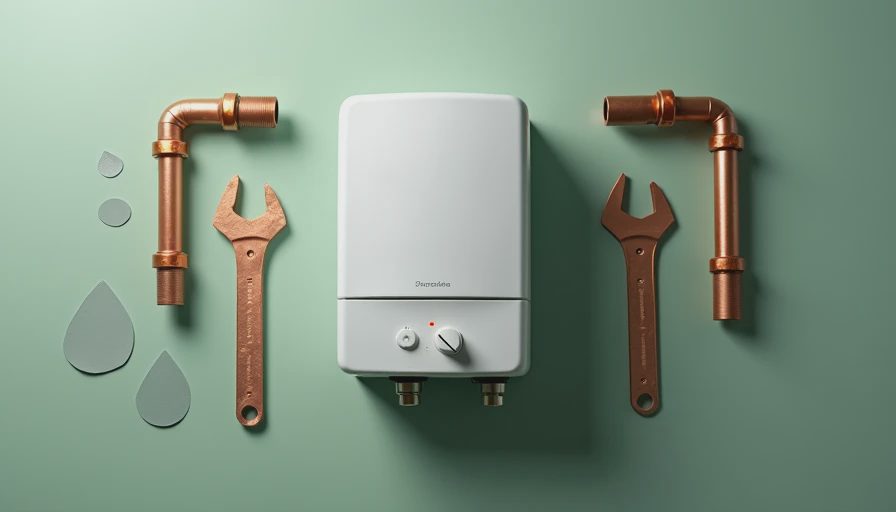
Divide the tankless by 15 years and you're looking at roughly $237 a year before energy. Divide the tank by its realistic 10-year life and it's about $158 a year including install. The gap starts to close when you factor in what the tankless doesn't burn. Our summer gas bill went from $78 a month to $51 — about $27 a month less for the six months when the furnace is off. That's $162 a year back. So the real cost of a tankless gas water heater isn't the sticker price. It's what you're willing to pay for space, endless hot water, and not replacing a rusted tank every decade.
The Installation Gotcha No One Mentions
The biggest surprise wasn't the price; it was the venting. Condensing tankless models exhaust low-temperature gas, so they can use 2-inch Schedule 40 PVC pipe instead of the old 4-inch metal flue. Sounds easier, until you realize you need to cut a new hole in the roof or wall and patch the old one. We paid the roofer an extra $200 to handle the penetrations. The gas line was the other catch. Our 3/4-inch line ran about 50 feet from the meter; the 199,000-BTU unit needs a bigger diameter or a shorter run to get enough gas. We upgraded the line for 1-inch black pipe. If your house has old schedule 40 steel pipe or a low-pressure regulator, budget a plumber to do a load calculation before you buy anything.
Does the Hot Water Actually Keep Up?
In our two-bath house, the tankless gas water heater never let a shower go cold.
The master shower pulls about 2.5 gallons per minute. At Texas summer groundwater temperatures, the Rinnai held the setpoint of 120°F without a hiccup. The real test came in January, when incoming water can drop into the upper 50s.
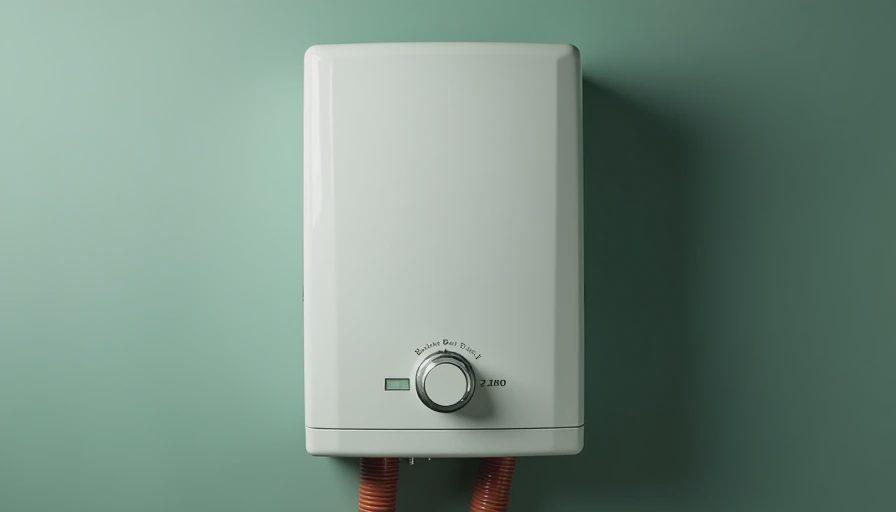
At a 45°F temperature rise, the unit is rated around 8 gallons per minute, which means one shower is comfortable and a simultaneous second shower plus the washing machine will strain the flow. We could run the dishwasher while showering, but we could not fill the bathtub and shower at the same time without the shower dropping a couple of degrees. If that's your life, you need a bigger unit, a buffer tank, or a recirculation loop. Don't let anyone sell you a 6-GPM unit for a family of four.
Maintenance: The Three-Month Check Still Counts
The unit is not maintenance-free. The heat exchanger is the part that fails when scale builds up, and Austin has hard water. Rinnai recommends a descaling flush once a year, and to keep the warranty you need proof it was done. Doing it yourself takes about 45 minutes and $15 worth of white vinegar or a citric acid solution, but you need valves spliced into the water lines to connect the pump. We added those during install for $80. If you skip the flush, you'll eventually pay a plumber $250 to $400 to do it — or worse, replace a heat exchanger that costs more than the unit. Set a calendar reminder, take a photo of the flush, and keep it for warranty proof.
Should You Buy a Tankless Gas Water Heater?
If you live alone or with one other person, a 50-gallon tank is cheaper and fine. If you're mid-renovation and staying more than five years, the tankless unit earns its spot on the wall. It frees up floor space and delivers endless hot water until you exceed the flow rate; energy savings will eventually cover the extra upfront cost. The burner, heat exchanger, and control board need the right gas supply, venting, and maintenance. Strip the filter: look at what's underneath. The tankless is a 199,000-BTU appliance wrapped in a thin steel shell. It will reward you for a correctly sized gas line and a yearly flush, and punish you if you ignore either. What Mia would do: she'd pull down the service tag, climb the wall bracket, and poke a crayon through the vent. So mount it high, lock the shutoff, and keep the manual in a drawer she can't reach. That's the honest review.




No comments yet — be the first to share a thought.