When we put an offer on our 1998 Austin fixer-upper, I knew I needed more than a standard look-see. I needed a legacy home inspection. A house that's been standing for decades has layers of history hidden behind its walls — knob-and-tube wiring, galvanized pipes, and a foundation that's seen years of shifting clay. The generic checklist most inspectors use wasn't built for that. This kind of inspection digs deeper, using specialized tools and a trained eye to catch the problems that make old houses expensive. It's the difference between a quick once-over and a true audit of everything underneath the surface.
What Makes a Legacy Home Inspection Different
Standard inspections are fine for newer construction, where building codes are stricter and materials are more predictable. But a legacy home needs an inspector who knows how a house from the 1920s or 1970s was actually put together. That means checking for ungrounded outlets, cloth wiring, split-bus panels, and other electrical quirks that a standard protocol might miss. The same goes for plumbing: galvanized steel pipes corrode from the inside, and a truly thorough legacy home inspection includes a detailed look at pipe material, water pressure, and drainage.
Inspectors who specialize in older homes carry equipment that the average general inspector doesn't always bring. Thermal imaging cameras can spot hidden moisture and missing insulation. Borescopes let them peer inside wall cavities without tearing anything open. A moisture meter tells them whether that soft spot near the window is just cosmetic or a sign of active rot. These tools add time to the inspection, which is why this deeper inspection costs more — usually $450 to $800 in most metro areas, compared to $300 to $400 for a basic check on a newer house.
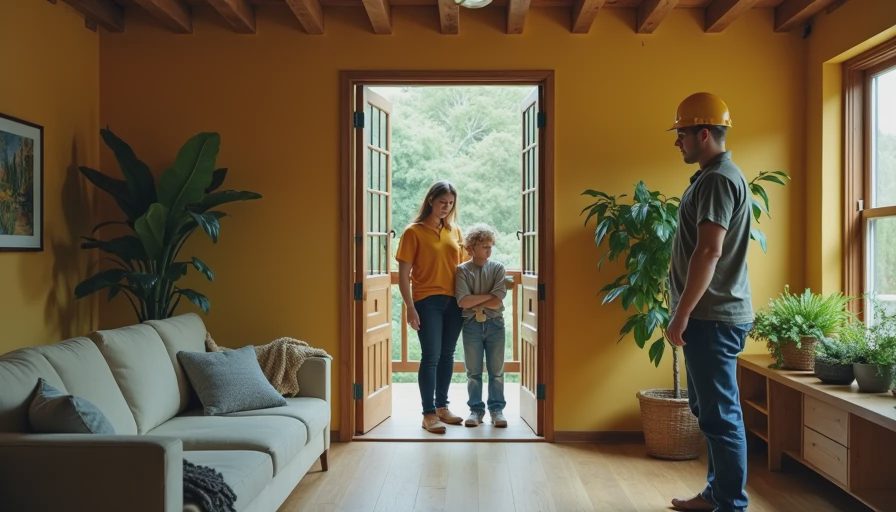
Five Things I Demand in a Legacy Home Inspection Report
A solid report from a legacy home inspection should never be a generic 30-page template. It should specifically address the systems that cause the most headaches in older homes. Here's my checklist, in order.
First, wiring system identification. The report should name the exact wiring type — knob-and-tube, aluminum, or copper. If it's aluminum, look for signs of oxidation at connections. If it's knob-and-tube, that's a safety concern that could affect your ability to get insurance.
Second, plumbing material and condition. Galvanized pipes, lead service lines, or polybutylene are red flags. The report should note the visible pipe material and flag any signs of corrosion or leaks.
Third, roof age and flashing details. An older roof may look fine from the street but have brittle shingles or rusted flashing. The inspector should document the roof's estimated remaining life, not just say "functional."
Fourth, foundation movement evidence. Cracked drywall, sticking doors, or sloping floors can indicate shifting. A good legacy home inspection will note cracks in the foundation and whether they're active or stable.
Fifth, hazardous materials screening. Lead paint and asbestos were common in older homes. You can't see asbestos in a wall, but the inspector should flag the likely locations and recommend testing when warranted.
How to Vet an Inspector for Your Old House
Not every inspector is qualified for a legacy home inspection. Before you book, ask how many older homes they've worked on. Look for memberships in InterNACHI or ASHI, because those organizations require continuing education. Ask to see a sample report from a similar property — you want one that includes photos and specific recommendations, not vague catch-all phrases. And make sure the inspector carries errors and omissions insurance; that protects you if they miss a major defect.
I also recommend asking about their comfort level with specialty tests. A sewer scope isn't always included in the base price, but it should be available as an add-on. The same goes for radon testing and a WETT inspection if there's a wood stove. If the inspector seems hesitant or tries to upsell you before they've even looked at the house, find someone else.
Red Flags That Warrant a Second Opinion
A legacy home inspection is only as good as the person holding the camera. If the report comes back with zero issues on a house that's clearly 60 years old, I'd be suspicious. No older home is perfect. On the flip side, some findings are instant deal-breakers. A foundation that's actively moving, active roof leaks, or significant knob-and-tube wiring in the main living areas can cost tens of thousands to fix. That's not necessarily a walk-away, but it should be reflected in your offer price.
The best advice I can give: don't rely on the seller's pre-listing inspection. That document is paid for by the seller and may not cover everything. Your own legacy home inspection is the one you can trust, because it's the one that works for you.
The Cost-Per-Year Math
Here's how I think about the price of a legacy home inspection. Say you pay $700 for a thorough inspection on a $350,000 house. If it uncovers a $6,000 sewer repair that you can negotiate off the price, that's an $11 return on every dollar you spent. Divide the inspection fee by the years you plan to live there (15, let's say) and it works out to under $4 a month. That's cheaper than a streaming subscription, and it can save you from a house that drains your savings.
The Mia Test
If you're a parent, you know the biggest threat to a house is a toddler with a curious finger. Mia would beeline for that ungrounded outlet in the sunroom. That's why I always check the electrical section of any legacy home inspection report first. Grounding and GFCI protection aren't optional when there's a child in the house. A report that glosses over those details is one I don't trust.
A legacy home inspection gave us the confidence to buy our 1998 fixer-upper — and the leverage to negotiate a new roof before we closed. If you're looking at an older home, don't skip it. Strip away the curb appeal and look at what's underneath. That's where the truth lives.




No comments yet — be the first to share a thought.