If you're figuring out how to measure for curtains, do not start with the fabric sample or the influencer photo. Start with the window, the rod, and the job the room needs the curtains to do. Are you hiding early morning sun, softening a bedroom, or making a short window look taller? A wrong measurement gives you skimpy panels, puddles of dust, or hems that snag when Mia runs by. I test window treatments the same way I test furniture: strip the filter, look at what's underneath, then measure the actual use case before the pretty part. And yes, how to measure for curtains is mostly math, not style.
Measure the space you actually have
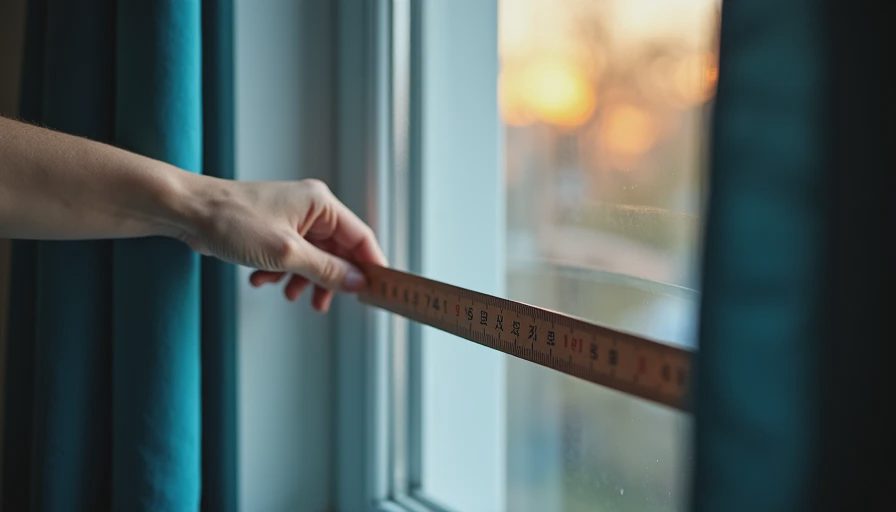
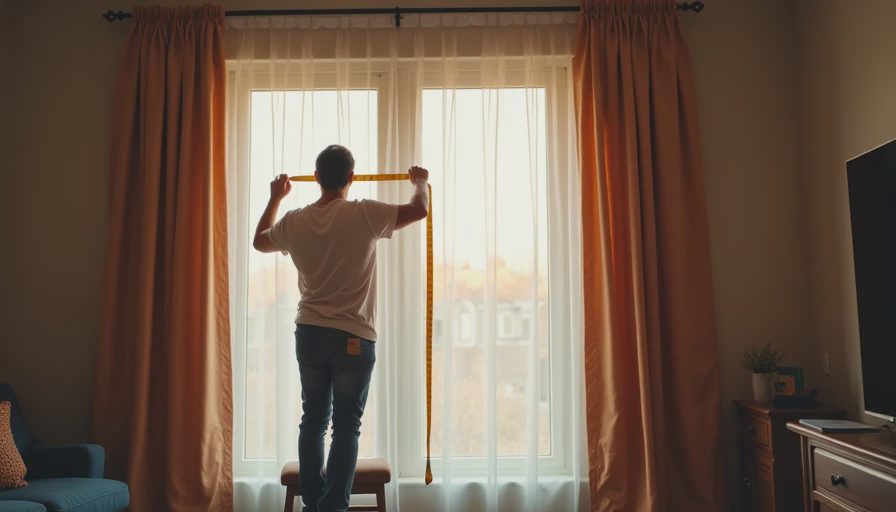
Measure width of window trim and overall wall area. If new rod, measure from outer edge to outer edge where finials will sit. Use steel tape. Measure at three points because trim isn't always level, especially in older homes. For length, measure from where the rod will mount, not from top of window. If there is crown molding or a vent, note that now. Take two rounds of measurements and write them down, because a half-inch matters once the fabric hangs. Ready-made panels come in 63, 84, 96, and 108 inches. Example: a 72-inch window with 8-foot ceiling can usually handle 96-inch curtains mounted 6 inches above trim.
Choose fullness before you shop
When people ask how to measure for curtains, they often only measure glass, then wonder why the panels look flat. Curtains need extra width so they stack back nicely when open. For a clean everyday look, aim for about 1.5x to 2x the final rod width; for blackout bedrooms, heavier linen, or stripes that need visual body, 2x is safer. A pair of 50-inch panels sounds wide until you hang them over a 70-inch span, then the room looks underdressed. If your rod extends 6 to 12 inches past the frame on each side, include that extension in the math, because the fabric needs room to clear the glass. This is where a $90 rod plus $120 ready-made panels can beat $400 custom work if you buy the right widths the first time.
Set the length for the room, not the catalog
Length is where most bad curtain orders happen. Standard looks are window sill, apron, floor-kissing, and puddled. In family rooms and bedrooms, floor-kissing usually looks best because it reads tailored without collecting dust. If the house has a toddler, a shedding dog, or a vacuum you actually use, skip puddles unless you enjoy dragging fabric out of the path every week. For an 8-foot ceiling, mounting the rod 4 to 6 inches above the trim often makes the room feel taller; for taller ceilings, push the rod higher if the wall allows it. A simple way to avoid a too-short hem is to measure from the rod ring or grommet position down to your desired end point, then compare that number to panel lengths before ordering. Add 1 to 2 inches only if you plan to hem.
Work around hardware, stacks, and awkward windows
This is the part that saves returns. Curtains do not hang flat against the glass like blinds, so the stack back matters. When the drapes are open, they still cover some of the wall beside the window, which is why rods should extend beyond the frame. If you have wide trim, a bay window, a sliding door, or a radiator under the sill, measure the obstacle first and choose a rod and panel length that clear it. For sliding doors, longer panels that just touch the floor usually move better than short ones that catch at calf height. For narrow windows, long panels and a higher rod can make the opening look more expensive than it is. Stop staring at the price tag. Divide it by the years you'll use it. A $180 setup that lasts 8 years costs less per year than a $60 pair that you resent after one season.
A quick buying checklist before you click order
The cleanest way to think about how to measure for curtains is finished coverage, not bare glass. Before you buy, confirm five things in plain English: where the rod will mount, how wide the rod will be with finials, how far the rod extends past the window, how far you want the hem to land, and how many panels you need to reach the fullness you want. If the package says one panel is 50 inches wide, that is not a full window treatment by itself for most windows; it is one piece of a pair. If you are using rings, remember they add a little height and can change where the hem lands. If you plan to wash the curtains later, buy enough length to survive a small shrinkage on cotton or linen blends. That one extra inch is cheaper than replacing a too-short set.
What I’d do in a real house
In my own Austin house, I treat curtains like any other purchase: measure, sketch, and then buy for the life I want, not the photo I saw online. For a bedroom window that needed blackout coverage, I would choose a rod 8 inches wider than the opening, mount it high enough to hide the trim, and order two 96-inch panels instead of gambling on 84s. That usually gives a cleaner line and better light control for less money than custom work, which can run from a few hundred dollars to well over a thousand depending on fabric and lining. If the room gets constant traffic from a kid, I want the hem high enough to survive vacuum day and low enough that nobody trips on it. What Mia would do to it: she would pull on the corner, swing the panel, and lick the lowest edge if I let her, so I keep it practical and washable.




No comments yet — be the first to share a thought.