I tested these shoe storage ideas in my 1998 Austin fixer-upper for three months, with a toddler who treats every low shelf as a climbing invitation. The test was simple: Could we find matching shoes quickly? Did the unit wobble, shed sharp hardware, or trap muddy water? And could the floor underneath be cleaned without moving a 90-pound cabinet? Pretty storage is useful only when it survives the 7:42 a.m. scramble.
Start With the Measurements That Matter
Before buying anything, measure the wall, the door swing, and the deepest shoe you actually own. A standard adult sneaker needs roughly 12 inches of length when placed straight, while tall boots often need 15 to 18 inches of vertical clearance. Children’s shoes are smaller, but they multiply faster than anyone expects. Mia currently needs space for sneakers, rain boots, sandals, and the mysterious pair she refuses to put away.
For most entryways, 12 inches of cabinet depth is a practical minimum. Anything deeper can become a shin hazard in a narrow hallway. Leave at least 30 inches of walking clearance, and do not assume a unit is safe simply because it feels heavy. A toddler can pull forward on an open drawer or climb a shelf. Anchor tall furniture to a wall stud or use the manufacturer’s anti-tip hardware.
The best shoe storage ideas begin with capacity, not a photograph. Count the pairs used weekly, then add at least 25 percent spare room. If a cabinet holds exactly 12 pairs and your household owns 12 pairs, it is already full on installation day.
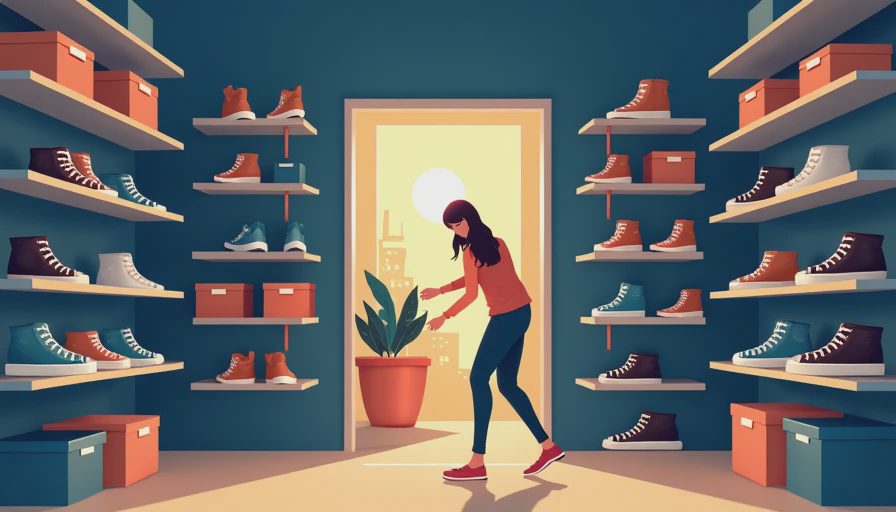
The Entryway Options I Would Actually Use
A closed flip-down cabinet works well when you want shoes visually contained. IKEA’s TRONES-style format is slim and inexpensive, although each compartment is better for low-profile footwear than bulky hiking shoes. The plastic is easy to wipe, but the shallow storage means boots need another home. Mounting height matters: keep the lowest edge high enough that it does not become a toe trap, but low enough for a child to reach safely.
An open bench with cubbies is more forgiving for daily use. Look for a solid top, rounded front edges, and cubbies at least 12 inches wide. A bench around 18 inches high gives most adults a comfortable seat for putting on shoes, but test the height against your household before ordering. Woven baskets can hide visual clutter, though soft bins make it harder to see whether a pair is missing.
Freestanding shelves offer the easiest access and the least expensive starting point. The tradeoff is dust and visual noise. I prefer powder-coated steel or sealed plywood over fabric shoe towers, which can sag when loaded and are difficult to clean after wet boots. If the shelf has adjustable feet, use them. Uneven flooring is common in older homes, and a rocking unit gets annoying quickly.
Small-Space Shoe Storage Ideas That Do Not Block the Hall
In a narrow apartment entry, use the vertical wall before you sacrifice walking space. A shallow rail with individual hooks can hold lightweight sneakers, but it is not suitable for heavy boots unless the rail is anchored correctly. Wall-mounted shelves also work, provided the brackets are rated for the load and the corners cannot catch a child’s head.
The back of a closet door can hold flat pocket organizers for slippers, sandals, and small accessories. Check the door clearance first; a loaded organizer can prevent the door from closing or scrape the jamb. Under-bed boxes are useful for seasonal footwear, but choose rigid plastic with a lid rather than cardboard. In Austin humidity, cardboard can soften and collect odors.
One of the most useful shoe storage ideas for a rental is a lidded bench that is not permanently attached to the wall. Choose one with a wide footprint and a slow-closing lid. Do not let children play inside it, and avoid models with a lid that can slam on fingers. A simple open basket beside the door may be safer than a complicated mechanism that looks clever online but fails during a rushed morning.
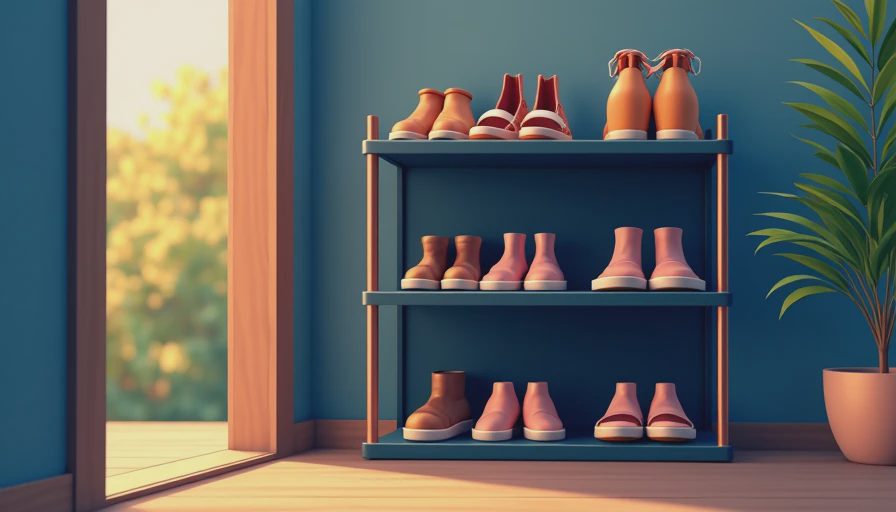
Materials, Odor, and the Cleanup Test
Strip the filter. Look at what is underneath the marketing label. A cabinet described as engineered wood may have a thin laminate over particleboard, which is not automatically bad, but exposed edges can swell after repeated contact with wet shoes. I look for sealed edges, smooth interiors, and hardware that does not loosen after repeated opening.
Smell matters, especially in a small foyer. Let a new unit sit in a ventilated room before loading it, and wipe hard surfaces with a damp cloth. Do not mask chemical odors with fragrance sprays. For removable mats, rubber-backed polypropylene is easier to clean than thick natural-fiber rugs, which can hold grit and moisture. A washable tray under boots is inexpensive insurance for wood or laminate flooring.
My favorite practical combination is a wipeable bench, two ventilated baskets, and a separate boot tray. It costs less than a large custom cabinet, and each part can be replaced without throwing away the whole system. After three months, this setup handled muddy sneakers, spilled water, and one yogurt incident without staining the floor.
What to Skip and What to Buy Instead
Skip ultra-narrow fabric towers when the product claims to hold adult shoes in every compartment. The listed capacity often assumes thin flats, not running shoes or work boots. Skip glossy lacquered finishes in a toddler zone if fingerprints will make you resent the purchase every evening. Skip any tall piece that arrives without clear wall-anchoring instructions.
Spend more on structure rather than decoration. A $180 solid-wood bench used for eight years costs about $22.50 per year before repairs. A $45 particleboard rack replaced every two years costs the same over that period, while creating more landfill and more assembly frustration. This is why the strongest shoe storage ideas usually involve fewer moving parts.
If you shop at Target, IKEA, The Container Store, or a local furniture store, compare interior dimensions instead of trusting the exterior photo. A cabinet may be 36 inches wide but waste space because of thick dividers. Bring a tape measure and compare the actual opening to your largest shoes.
A Five-Minute Maintenance Routine
Assign one location for everyday shoes and one for seasonal pairs. Empty the boot tray weekly, vacuum grit from corners, and wipe shelves before dirt becomes a paste. Once a month, tighten visible screws and test the unit for rocking. Replace cracked baskets immediately; a sharp plastic edge is not worth saving.
Labeling can help children return shoes independently, but use pictures or simple words rather than a complicated sorting system. Mia can match a sneaker picture more reliably than she can remember which cubby is hers. The goal is not a showroom entryway. The goal is a landing zone that still works when everyone is carrying groceries and someone has one sock on.
These shoe storage ideas earn their keep when they reduce searching, protect the floor, and stay physically secure. Choose the shallowest sturdy design that fits your real footwear, anchor anything tall, and leave enough empty capacity for ordinary life. The moment I imagine Mia touching it, licking it, or running into it, I want the same answer: smooth edges, stable construction, and no clever feature that creates a new hazard.



No comments yet — be the first to share a thought.